Rabat, October 24, 2026 – The Europe Today: Morocco has stepped up diplomatic engagement with Russia ahead of an anticipated United Nations Security Council vote on a United States-drafted resolution proposing significant changes to the UN mission in Western Sahara, including the eventual termination of its peacekeeping mandate.
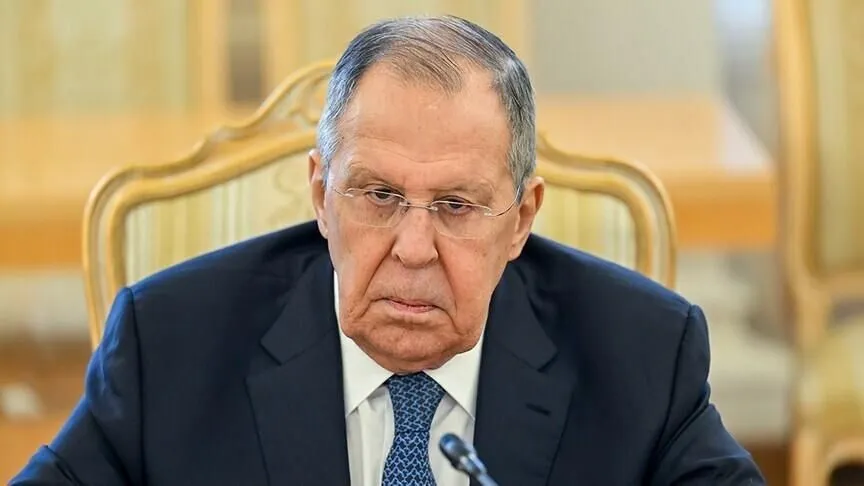
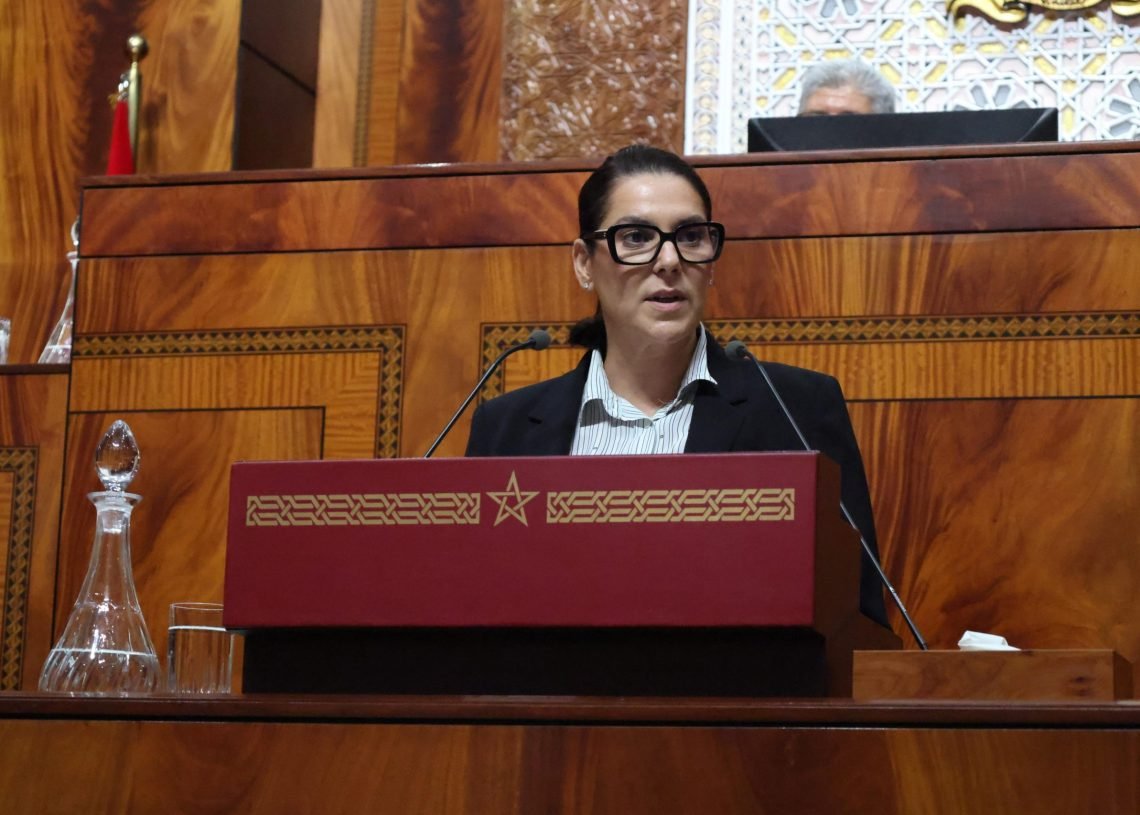
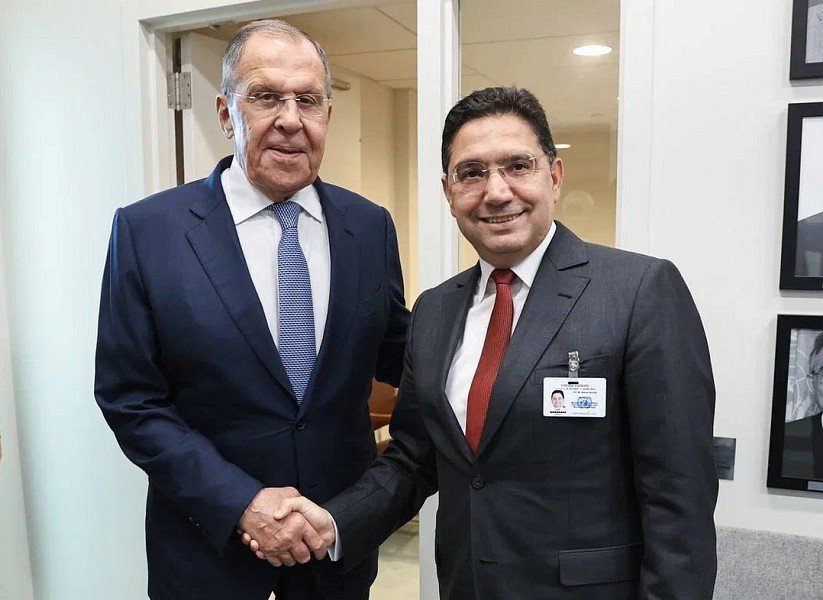
Moroccan Foreign Minister Nasser Bourita held a telephone conversation with his Russian counterpart, Sergey Lavrov, on Friday at the initiative of the Moroccan side, according to the Russian Foreign Ministry.
During the conversation, the two ministers reviewed priority tasks for the continued development of Russia-Morocco relations and preparations for the Third Russia-Africa Summit. They also discussed current regional issues in the context of maintaining bilateral foreign policy coordination, including at the United Nations.
The diplomatic engagement comes as the proposed US resolution outlines a new framework for the UN Mission for the Referendum in Western Sahara (MINURSO), reinforcing Morocco’s Autonomy Plan as the proposed basis for resolving the long-standing dispute.
According to the draft dated October 20, the mission would be renamed the United Nations Mission for Western Sahara (MINUSO), removing references to a referendum from its title. The text states that “genuine autonomy under Moroccan sovereignty is the only feasible solution.”
The proposed resolution would also end MINURSO’s peacekeeping mandate on April 30, 2027, and provide for the mission to continue as a special political mission until October 31, 2027.
Under the draft, the withdrawal of uniformed personnel would take place in phases, with a reduction of at least 50 per cent by January 31, 2027. The UN Secretary-General would be required to provide details of the mission’s proposed structure by December 15, 2026.
Russia’s position is considered significant because it is one of the five permanent members of the Security Council, alongside the United States, the United Kingdom, France and China, and holds veto power over substantive resolutions. Moscow abstained from voting on Resolution 2797, making its position on the latest draft a key consideration ahead of the anticipated vote.
The proposed text builds on three rounds of direct talks held in Washington and Madrid involving Morocco, the Polisario Front, Algeria and Mauritania, with Morocco’s Autonomy Plan serving as the basis for the discussions.
The draft also condemns the May 5 attack on Es-Smara and requests the UN High Commissioner for Refugees (UNHCR) to register the population of the Tindouf camps within six months.
Morocco’s Permanent Representative to the United Nations, Omar Hilale, previously described Security Council Resolution 2797 as a turning point in international efforts to resolve the Western Sahara dispute. Addressing the UN General Assembly’s Fourth Committee on October 13, he argued that the resolution had shifted the international approach from managing the dispute towards seeking a final settlement.
Hilale emphasized that the inclusion of autonomy within the framework of Moroccan sovereignty represented a significant development in the diplomatic process.
He also reiterated Morocco’s position that a referendum was no longer a viable basis for resolving the dispute, arguing that the Security Council had moved away from that approach decades ago.
Addressing the humanitarian dimension, Hilale highlighted the situation of people living in the Tindouf camps and called for durable solutions consistent with international law. These could include voluntary repatriation, resettlement in a third country or integration into the host country.
The proposed resolution, if adopted, would mark a substantial change in the UN’s role in Western Sahara, with implications for the mission’s future structure, the diplomatic process and efforts to achieve a lasting political settlement.
As discussions continue among Security Council members, Morocco’s engagement with Moscow underscores the importance of diplomatic coordination in determining the future of the UN mission and the next phase of negotiations over Western Sahara.