Stockholm, June 13, 2026 — The Europe Today: Sweden’s Public Health Agency has recommended that children under the age of 13 should not have their own smartphones, sparking a broader debate on children’s digital lives and online safety.
The recommendation comes after the government tasked the agency in April with examining the appropriate minimum age for smartphone ownership among children. On Thursday, the agency concluded that children under 13 should not be given personal smartphones.
The proposal has received mixed reactions from the Internet Foundation, which acknowledged the importance of addressing children’s digital habits while cautioning against focusing solely on restrictions.
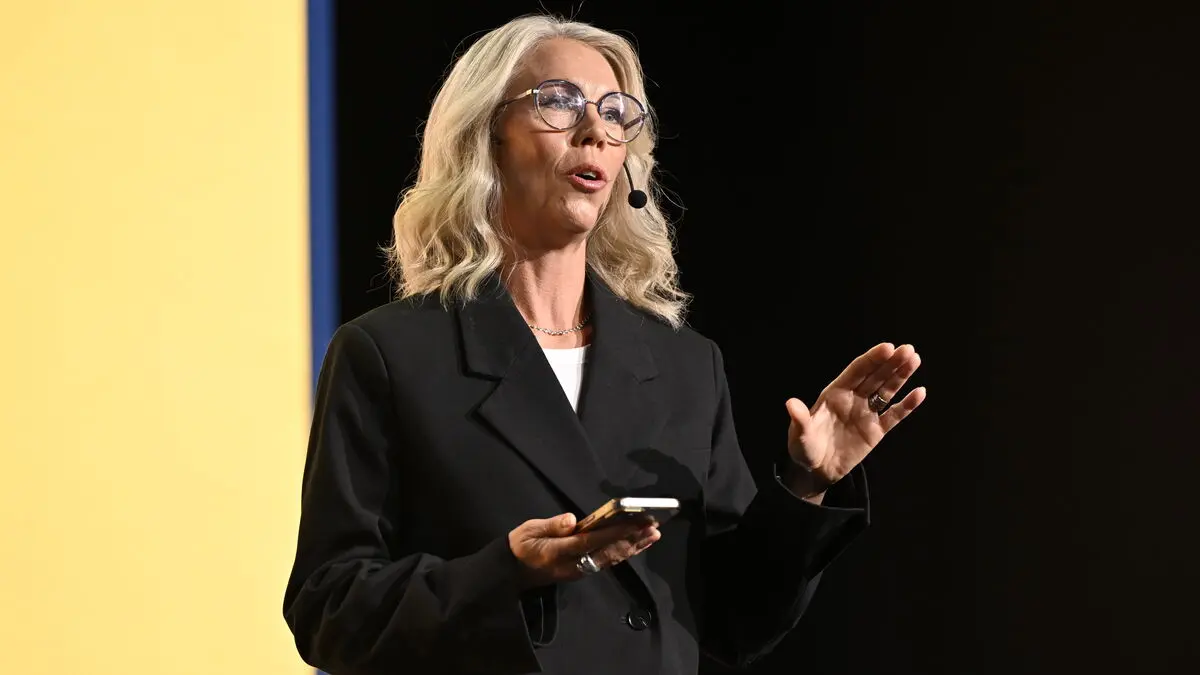
Jannike Tillå, head of communications and community benefit at the Internet Foundation, said children’s digital lives are a major societal issue and many parents are seeking guidance and support.
She stressed that the core issue is not the technology itself, but how it is used and the digital environments children are exposed to.
“It is not the technology itself, the phone in this case, that is the problem, but how it is used and what digital environments the children are in,” she said.
Tillå called for a broader public discussion on children’s and young people’s online behaviour, arguing that the internet is now a central part of both their social and educational lives.
“We need to talk about more than just a ban,” she said, adding that parents need better support and children must be equipped with digital skills to prepare them for participation in modern society.
According to the Public Health Agency, around 90 percent of ten-year-olds in Sweden already own smartphones. Tillå warned that the new recommendation could risk excluding some children from social participation.
She noted that smartphones also provide benefits, including safety features such as location tracking that help parents monitor their children’s whereabouts.
“The most important thing is that it’s not just about technology being bad, but about what children encounter online,” she added.
The recommendation has intensified debate in Sweden over how to balance child protection, digital inclusion, and responsible technology use.