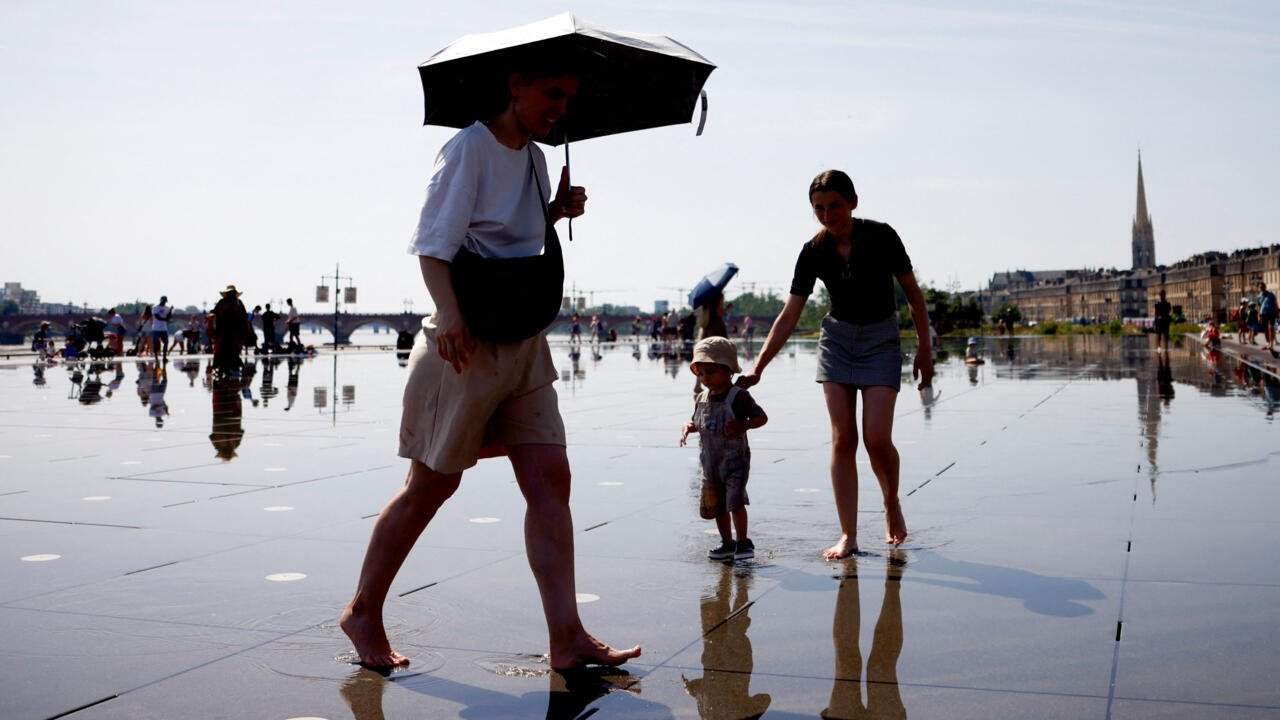
Brussels, June 26, 2026 – The Europe Today: Health authorities across Europe remained on high alert on Friday as an unprecedented heatwave swept across the continent, claiming dozens of lives, disrupting transport and public events, and placing increasing pressure on healthcare systems.
From United Kingdom and France to Germany, Italy, Austria and Serbia, temperatures surged to record levels as an intense dome of hot air settled over much of Europe. Climate scientists described the event as the most severe heatwave ever recorded across the region, warning that Europe is warming faster than any other continent.
While temperatures appeared to have peaked in France and the United Kingdom—where new June temperature records were set—the heat was forecast to intensify in Italy over the weekend, with temperatures expected to reach 40 degrees Celsius in several areas.
French authorities reported at least 55 heat-related deaths, with temperatures in Paris reaching 40.9°C earlier this week. Although cooler conditions are expected in the coming days, officials warned that additional casualties remain possible as the health impacts of extreme heat continue to emerge.
The heatwave has disrupted public life across Europe, forcing the closure of cultural landmarks and affecting agricultural production. Police in Paris urged organisers of major outdoor events, including the Solidays music festival, to cancel activities, while organisers of the city’s Pride celebrations announced plans to reschedule events.
In Germany, extreme temperatures caused the surface of the A2 motorway in the eastern part of the country to buckle and rupture, damaging around 30 vehicles, causing minor injuries to two people, and forcing the temporary closure of the highway.
The Met Office extended its red heat alert across large parts of southern England for a third consecutive day—the first time such warnings have remained in effect for three successive days.
Meanwhile, the Netherlands issued a rare Code Red warning for extreme heat across most of the country, prompting the closure of many schools as temperatures approached 40°C.
Authorities in Serbia issued an amber weather alert, warning residents to remain indoors during peak afternoon hours, stay hydrated, and avoid unnecessary outdoor activities as temperatures climbed to around 36°C.
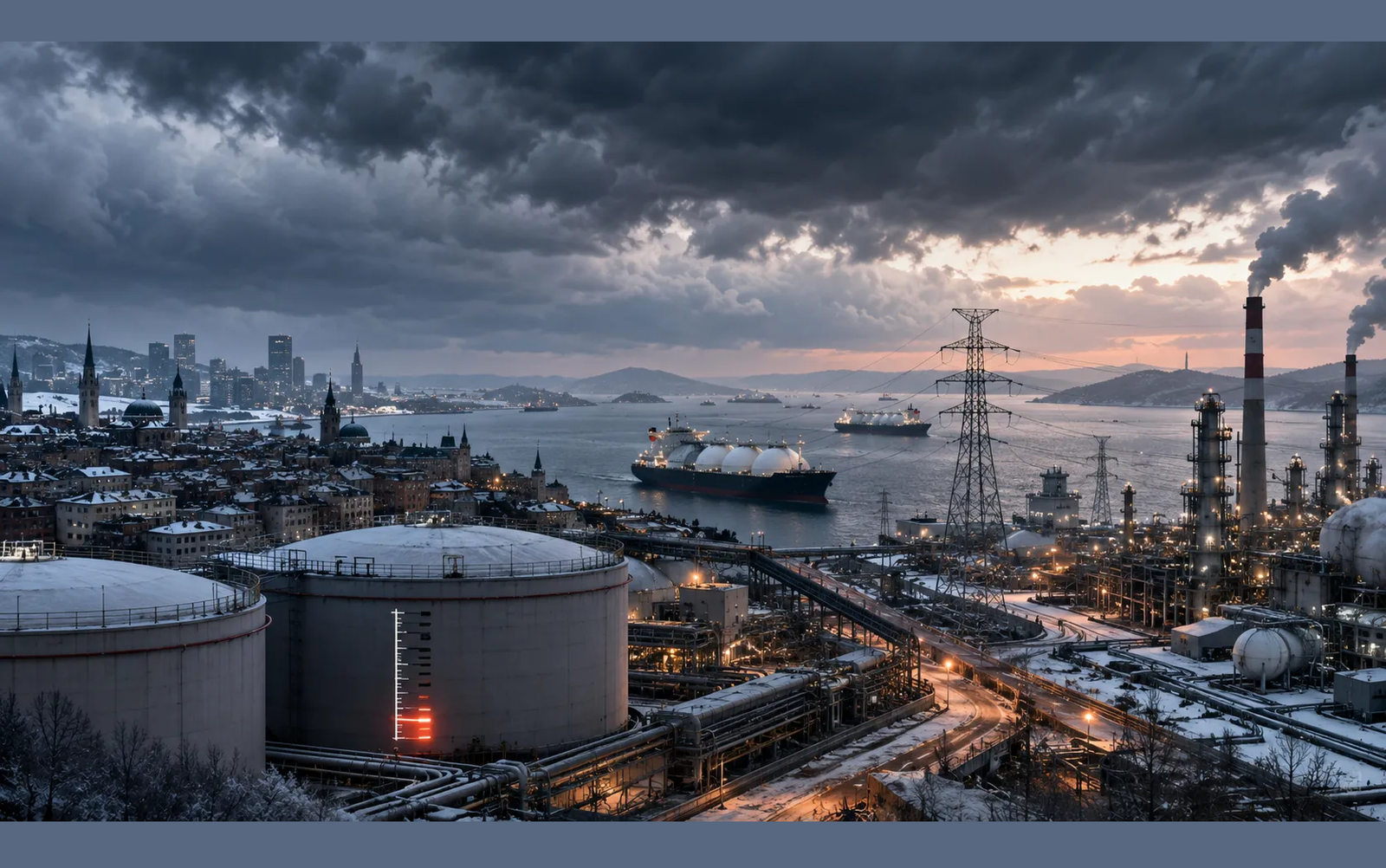
The prolonged heat has also boosted demand for cooling equipment, with retailers in Britain reporting strong sales of electric fans and Asian air-conditioning manufacturers experiencing a surge in European orders. In France, state-owned utility EDF announced an €80 million (US$90 million) investment to install cooling systems in schools, kindergartens, and childcare centres.
According to the latest data from the International Energy Agency, household ownership of air conditioning across Europe remains relatively low at approximately 20 percent, leaving many communities vulnerable during periods of extreme heat.
Meteorologists attributed the heatwave to an Omega block, a persistent atmospheric pattern that traps a mass of hot air over a region while diverting cooler weather around its edges. The phenomenon has pushed temperatures as much as 18°C above seasonal averages.
Scientists from the World Weather Attribution said the record-breaking temperatures would have been “virtually impossible” without human-induced climate change. Their analysis concluded that climate change has made the exceptionally high nighttime temperatures experienced this week approximately 100 times more likely than they would have been two decades ago.
Healthcare services across France reported a sharp increase in emergency calls and hospital admissions linked to heat-related illnesses. Wilfrid Samut said hospitals were struggling to cope with the growing number of patients, warning that the strain on healthcare workers had become severe amid the prolonged extreme weather conditions.