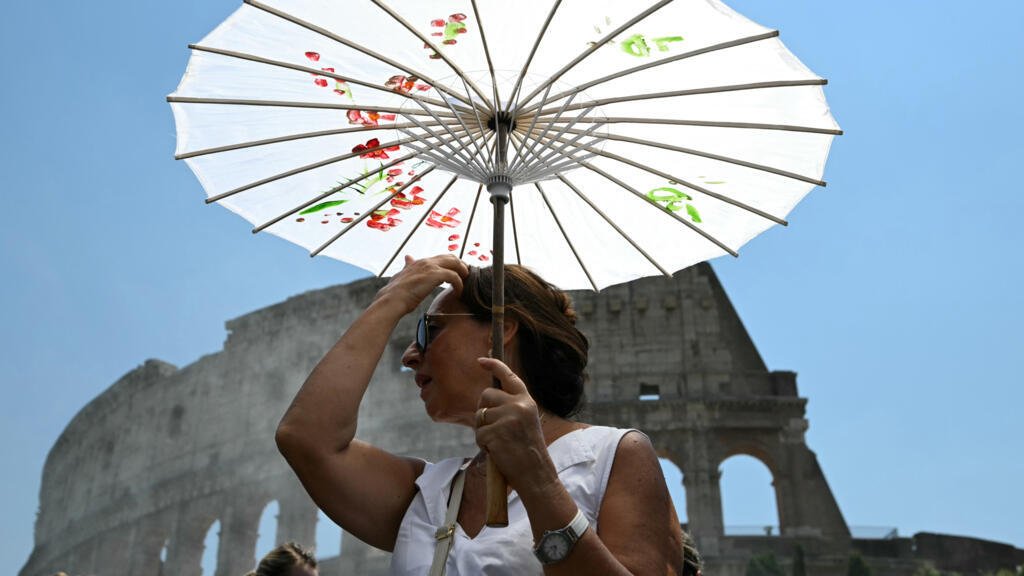
Geneva, June 29, 2026 – The Europe Today: An extraordinary heatwave sweeping across Europe has shattered numerous temperature records, claiming more than 1,300 lives and causing widespread impacts on public health, agriculture, ecosystems, infrastructure and labour productivity, according to the World Meteorological Organization and the World Health Organization.
The World Meteorological Organization said the extreme heat has been accompanied by localized violent storms, worsening drought conditions in some regions and an increased risk of wildfires, prompting meteorological agencies and health authorities to intensify early warning systems and coordinated heat-health action plans aimed at saving lives and minimizing economic disruption.
The agency warned that extreme heat events are expected to become more frequent, intense and prolonged as a result of climate change, citing assessments by the Intergovernmental Panel on Climate Change. Europe remains the world’s fastest-warming continent.
“Heatwaves like this are what we expect to see in a changing climate,” said John Kennedy, Head of Climate Information at the World Meteorological Organization. He noted that Europe has warmed by around two degrees Celsius since the historic 1976 heatwave, contributing to increasingly frequent temperature extremes.
WHO Director-General Tedros Adhanom Ghebreyesus said more than 1,300 excess deaths linked to the extreme heat had been recorded across Europe since June 21, while over 150 million people have been affected by the prolonged heatwave.
According to climate guidance issued by one of WMO’s Regional Climate Centres, led by Germany’s Deutscher Wetterdienst, the heatwave, which originated over the Iberian Peninsula, is expected to spread across large parts of Western, Central and Southern Europe as well as the Balkans by June 30.
The Climate Watch guidance serves as technical support for National Meteorological and Hydrological Services, which remain responsible for issuing official weather advisories and public warnings within their respective countries.
The WMO reiterated the importance of timely forecasts, effective heat-health action plans and public preparedness measures to reduce the growing risks posed by extreme heat as climate change continues to intensify weather extremes across Europe.