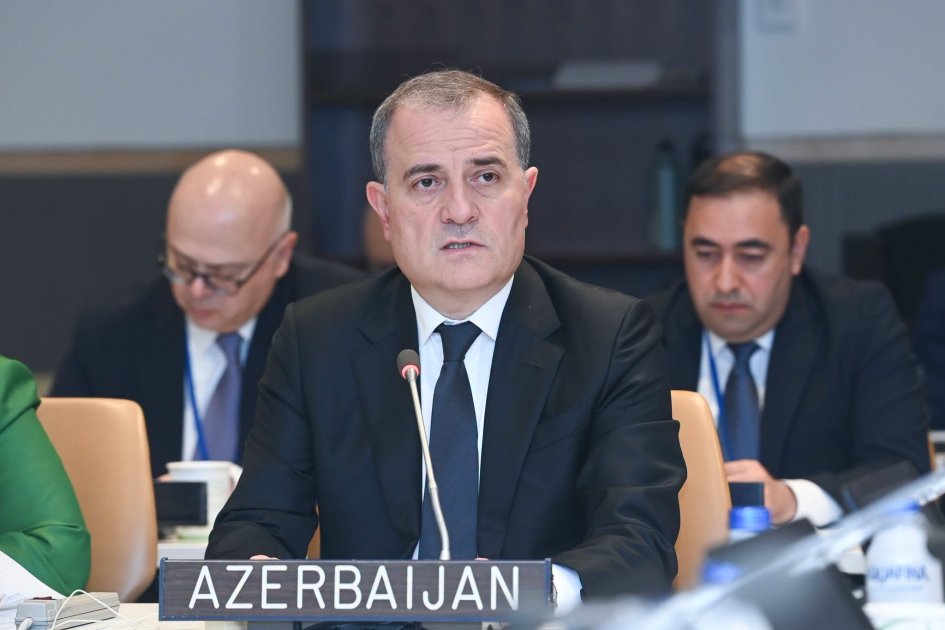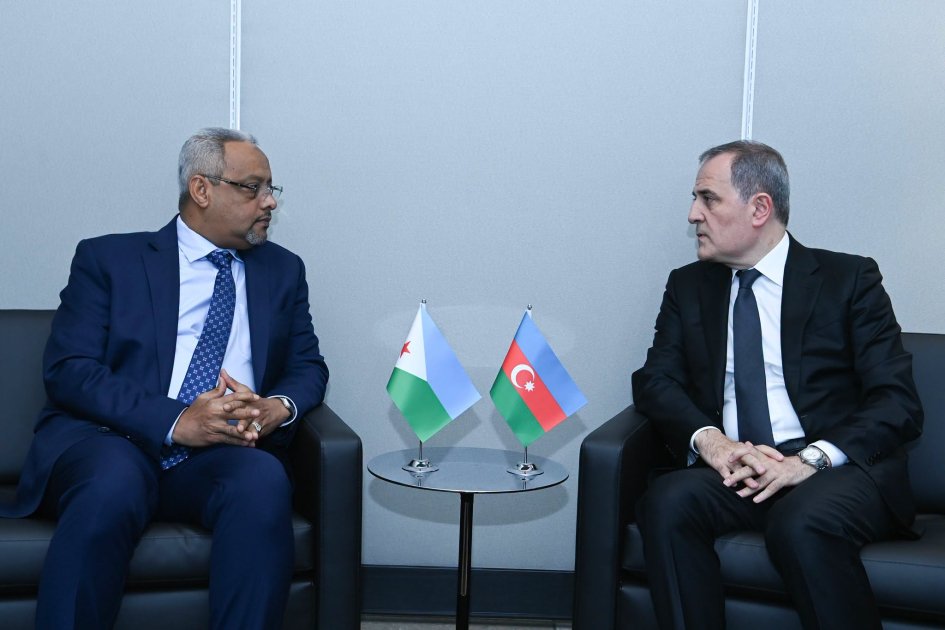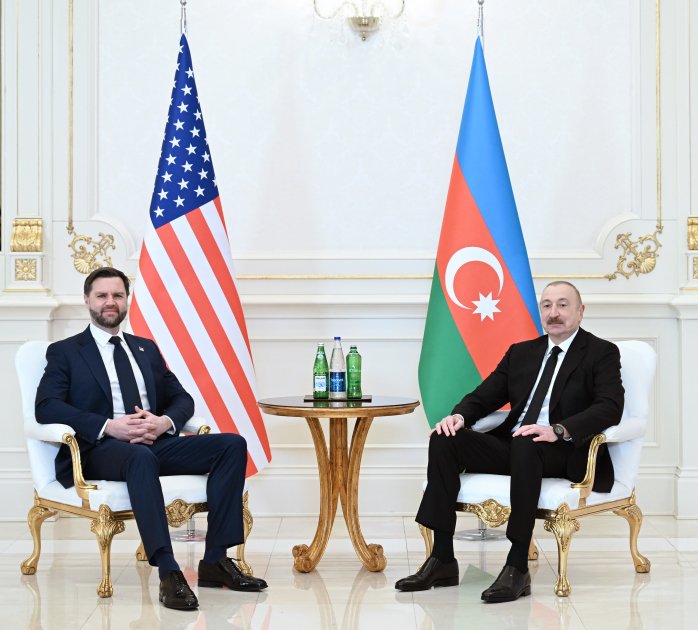
The visit of J.D. Vance to Baku and the signing of the Strategic Partnership Charter between the United States and Azerbaijan are the milestone in the history of relations between two countries. Far from being a routine diplomatic upgrade, this milestone signals a confident recalibration of American engagement in the South Caucasus — a region that is re-emerging as a strategic crossroads in an increasingly fragmented global order.
The renewed attention to Baku in Washington is an expression of viable vision at a time when the energy market is volatile and supply chains are weak, technological competition is defining the future of U.S. national security policies. The Strategic Partnership Charter is a formalization of multidimensional framework that acknowledges Azerbaijan as a source of energy, yet a critical bridge between Europe and Central Asia, as well as the Middle East.
From Energy Anchor to Strategic Convergence
Traditionally, bilateral relations were based on energy cooperation. The importance of Azerbaijan in enhancing the energy security in Europe made it a stable and progressive ally. In the new charter, however, there is a breakthrough beyond hydrocarbons.
The agreement implies a convergence of interests by institutionalizing energy, connectivity, artificial intelligence, transport infrastructure, cybersecurity, and security collusion as a point of convergence. It reaffirms respect to another sovereignty, territorial integrity and border inviolability language that has a special resonance in a region that has been traditionally conditioned by complicated geopolitical conflicts.
This clear political statement highlights the fact that Azerbaijan is increasingly becoming a stabilizing force. Acknowledging the United States of Azerbaijan as an actor in its regional environment because of its contribution to the peacekeeping operations and the work of humanitarian demining, the United States recognizes it as an active participant in the work of its security but not the passive receiver of the regional processes.
Connectivity and the Eurasian Vision
One of the most prospective aspects of the charter is the focus on transcontinental connectivity that the document has. The strategic location of Azerbaijan between the Caspian basin and European markets makes it a key hub in the new transport and data corridors in Eurasia.
The interest in the Trans-Caspian transport line and suggested TRIPP route show that there is a vision, where energy security cannot be imagined outside of logistics, digital networks, and resilient supply chains. By endorsing the Azerbaijan connectivity agenda, Washington is indicating its approval of the long-term policy held by Baku to establish itself as a center of regional integration and economic diversification.
Creating the Digital Future
The most radical aspect of the partnership would be, perhaps, its adherence to artificial intelligence, digital infrastructure, and even space collaboration. Those are not symbolic additions, but strategic pillars of economic and technological sustainability in the future.
The cooperation in cybersecurity, facilitating AI data centres, and collaborative research projects allow Azerbaijan to develop human capital and integrate technology under the agreement. At the same time, it enables the United States to work together in the development of digital ecosystems and digital standards in an area that is of strategic importance.
At a time when the technological power is strongly correlated with the political power, such collaboration brings the partnership to a new level of the cooperation in the future, based on innovation and sustainability.
Institutional Depth and Long-Term Vision
The unique feature of this Strategic Partnership Charter as compared to past statements is its structure. The formation of working groups, roadmaps and systematic dialogue mechanisms within a set period of time shows the seriousness of the intent. The direct involvement of the private sector is also an aspect that makes the alliance not limited to a political cycle and official diplomacy.
This institutional depth shows the confidence and strategy maturity. It converts what previously constituted heavy though disproportional involvement into a multidimensional alliance that could be described as a long-lasting partnership.
Statement of Strategic Relevance
This agreement is important and is beyond bilateral ties. It is a wider realization that geography is back in business – that the South Caucasus has ceased being a peripheral theatre and has become a strategic arena that defines energy flows, trade routes and technological corridors.
In the case of Azerbaijan, the charter confirms its foreign policy of being a balanced player and its desire to become a free, self-assured regional actor. It is a re-evaluation of strategic interests in the world of the United States, where stability, interconnection, and technological collaboration are critical to national interest.
So, these two countries confirm that collaboration is the best way to react to the uncertainty of the world, based on mutual respect and shared vision of the world. The US-Azerbaijan Strategic Partnership Charter is not just a diplomatic breakthrough, but a vision of stability, innovations and mutual prosperity in an ever-changing global environment.
Owner of “The Europe Today” and Patron-In-Chief/Owner of “The Gulf Observer”, Chairman “The Gulf Observer Research Forum”, Foreign Affairs Expert, Analyst, International Award Winning Author and Poet.