Hanoi, April 9, 2026 – The Europe Today: Prime Minister Lê Minh Hưng has called on Party secretaries and heads at all levels to take direct responsibility for implementing practical and coordinated plans to ensure effective execution of national development tasks, as the government pushes forward its socio-economic agenda.
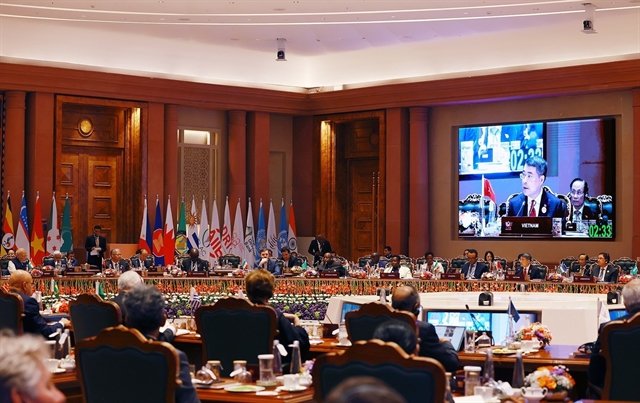
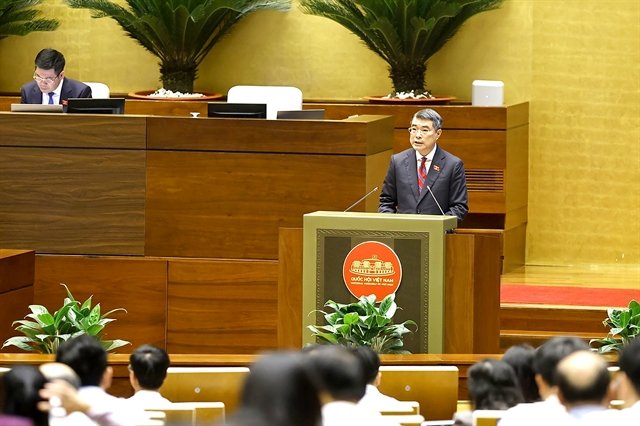
Speaking at the first sitting of the 16th National Assembly, the Prime Minister outlined 12 priority groups of tasks and solutions aimed at steering the country’s socio-economic development in the remaining months of the year. The proposals were presented as part of a government report reviewing supplementary results of the 2025 development plan and assessing the implementation of the current year’s targets.
He stressed the need for unified thinking, ambition, and action to achieve a double-digit economic growth target, while maintaining macroeconomic stability and mobilizing resources efficiently. The government, he said, will closely monitor both global and domestic developments, strengthen forecasting mechanisms, and adopt flexible policy responses.
The Prime Minister emphasized tighter fiscal discipline, coordinated monetary policies, and proactive budget management. Growth targets for 2026 and the 2026–30 period are expected to be reviewed and assigned to sectors, localities, and state-owned enterprises within April.
Energy Security and Market Stability
Ensuring national energy security remains a top priority, with a focus on maintaining adequate supplies of crude oil, gas, and electricity. Measures to enforce energy efficiency and prevent shortages will be strictly implemented.
The government also plans to stabilize key markets, including real estate, corporate bonds, and monetary systems. Enhanced supply-demand management, price controls on essential goods, and stricter oversight of product quality and consumer protection are part of broader efforts to curb trade fraud, smuggling, and intellectual property violations.
Mobilizing Resources for Growth
Highlighting resource mobilization as critical to achieving growth targets, the Prime Minister announced measures including increasing state budget revenue by 10 percent, reducing regular expenditure by over 10 percent, and securing additional savings.
The government aims to expand investment through bonds, official development assistance (ODA), and increased contributions from state-owned enterprises, while attracting higher levels of private and foreign direct investment (FDI). Policies to encourage reinvestment by foreign enterprises and potential adjustments to foreign ownership limits are also under consideration.
Public investment disbursement will be accelerated, with development spending projected to account for 40 percent of total state budget expenditure, while the number of publicly funded projects in the 2026–30 period will be reduced by at least 30 percent.
Sectoral Reforms and Economic Restructuring
The government plans to strengthen growth drivers across investment, consumption, and exports, alongside advancing industrial modernization and agricultural restructuring for higher efficiency and sustainability.
Efforts will also focus on expanding export markets, diversifying supply chains, and accelerating free trade agreements. A new import-export strategy through 2030 is expected to be finalized in 2026.
In the services sector, Vietnam aims to attract 25 million international tourists, supported by visa reforms and modernization of service ecosystems.
Innovation, Governance, and Infrastructure
Further priorities include promoting science, technology, and digital transformation, improving legal frameworks, and streamlining administrative procedures. Investments in modern infrastructure—particularly transport, energy, and urban systems—will be intensified.
Administrative reforms will continue with greater decentralization, improved accountability, and enhanced governance capacity at local levels.
Performance and Challenges
According to the report, Vietnam’s macroeconomic conditions remain stable, with GDP growth estimated at 7.83 percent in the first quarter, while inflation remains under control. State budget revenue reached approximately $34 billion, and FDI inflows rose to $5.4 billion.
Trade performance remained strong, with total import-export turnover estimated at $249.5 billion, while tourism and services continued to expand.
However, the Prime Minister acknowledged ongoing challenges, including external economic pressures, weak domestic demand, slow recovery in the real estate sector, and reliance on FDI for exports. Emerging growth drivers are still in early stages, and administrative inefficiencies persist in certain areas.
Concluding his address, Prime Minister Hưng underscored that 2026 marks a crucial starting point for the 2026–30 socio-economic development plan, emphasizing that effective implementation and accountability will be key to translating policy into tangible outcomes.