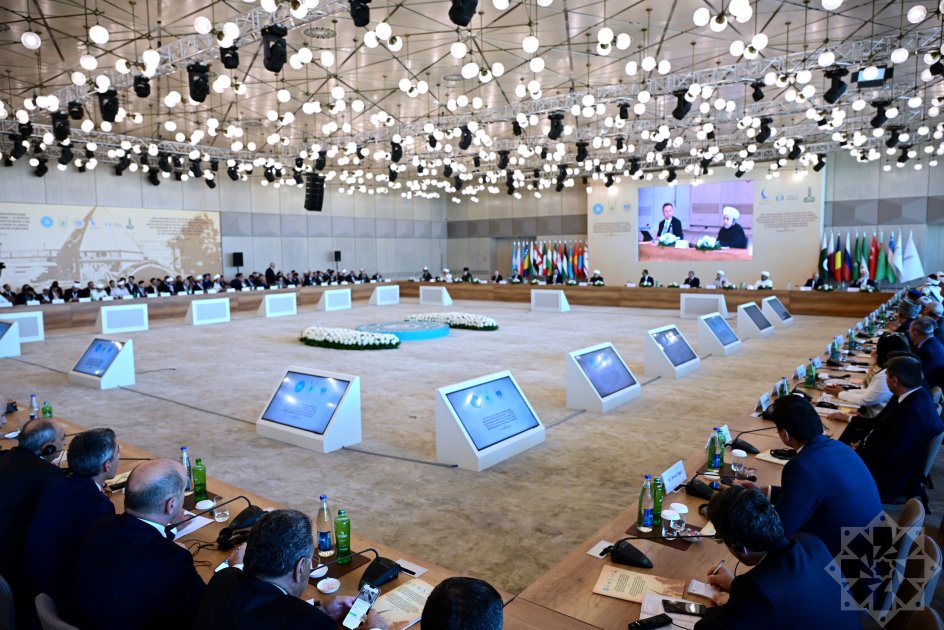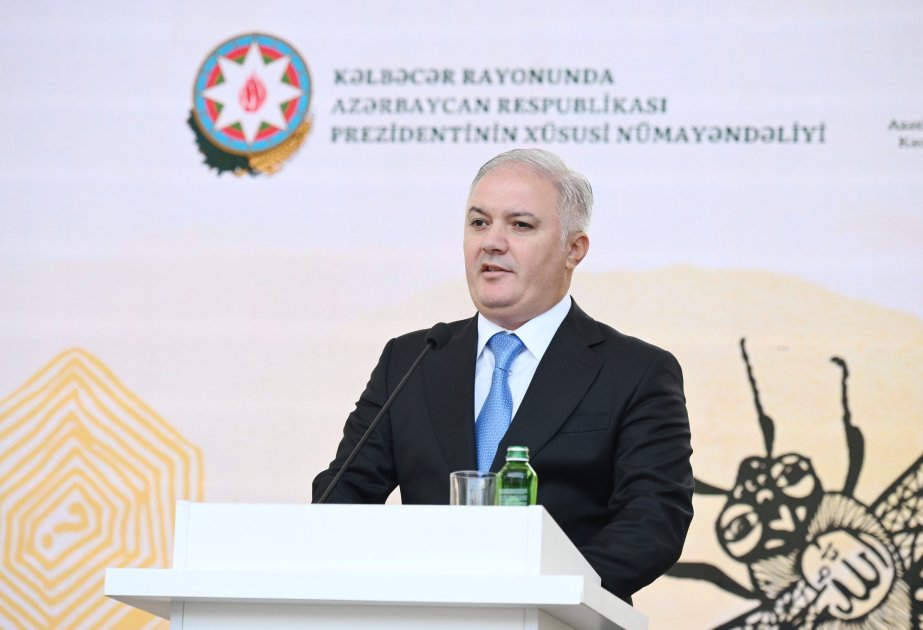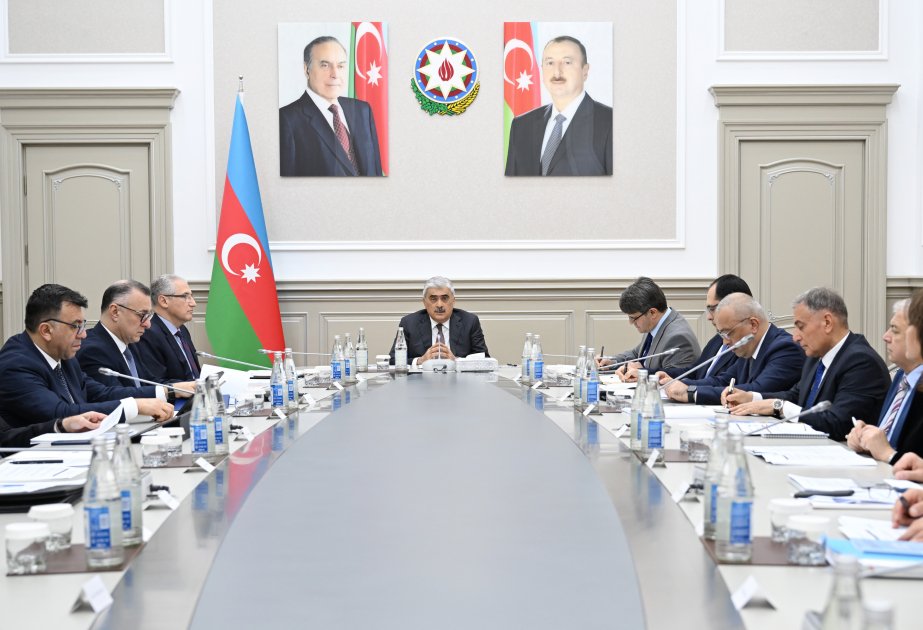
Baku, May 1, 2026 – The Europe Today: Azerbaijan convened a regular meeting of its State Commission on Climate Change on April 30, chaired by Deputy Prime Minister Samir Sharifov, to review national climate strategies and preparations for upcoming global climate engagements.
In his opening remarks, Sharifov highlighted Azerbaijan’s longstanding commitment to global climate action since joining the United Nations Framework Convention on Climate Change (UNFCCC) in 1995 and reaffirmed adherence to the Paris Agreement. He noted that the country’s third Nationally Determined Contribution (NDC) sets an ambitious target of reducing greenhouse gas emissions by 40% by 2035 compared to 1990 levels, reflecting a consistent shift toward low-carbon development.
Referring to outcomes of COP29, the deputy prime minister said the conference achieved key milestones, including agreement on the “New Collective Quantified Goal on Climate Finance,” which aims to mobilize $1.3 billion annually for developing countries by 2035.
During the session, the Ministry of Ecology and Natural Resources presented draft legislation on a proposed Climate Law and a Long-Term Low-Carbon Development Strategy. Meanwhile, the Ministry of Economy shared assessments of the Carbon Border Adjustment Mechanism (CBAM) introduced by the European Union and its potential implications for Azerbaijan’s economy.
Mukhtar Babayev, the Presidential Representative for Climate Issues, stressed the urgency of finalizing the long-term low-emission development strategy and submitting it for approval, noting that strengthening climate policy is vital to maintaining export competitiveness and supporting industrial modernization.
The Ministry of Foreign Affairs of Azerbaijan also briefed participants on outcomes of COP30, held in November 2025 in Belém, Brazil, and outlined Azerbaijan’s ongoing climate initiatives. Preparations for COP31, scheduled for November 9–20, 2026 in Antalya, were highlighted as a key priority.
Concluding the meeting, Sharifov directed the development of a comprehensive action plan for COP31 and called for the establishment of an interagency working group to advance the Climate Law, the Low-Carbon Development Strategy, and policy responses related to the EU’s CBAM mechanism.