Jakarta, July 1, 2026 – The Europe Today: President Prabowo Subianto on Wednesday called on the Indonesian National Police (Polri) to adapt to rapidly evolving crime patterns driven by technological advancements, stressing that modern security threats require greater professionalism and mastery of science, technology and artificial intelligence (AI).
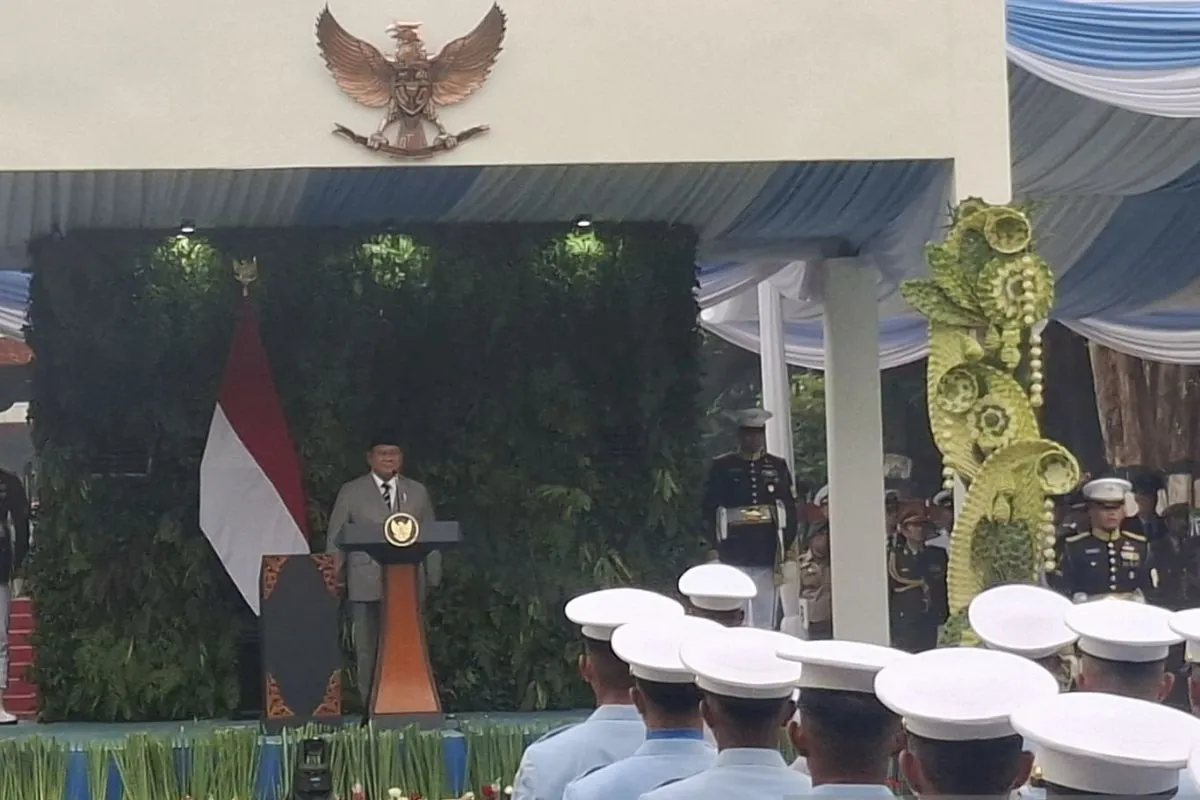
Addressing a ceremony marking the 80th Bhayangkara Day at the Police Mobile Brigade Training Unit in Cikeas, Bogor, West Java, the president said Indonesia’s security challenges had become increasingly complex amid ongoing global conflicts, rising international tensions and the growing sophistication of criminal activities.
He noted that technological developments, while beneficial, could also be exploited for criminal purposes, underscoring the need for law enforcement agencies to continuously modernize their methods and operational capabilities.
President Prabowo identified a range of serious threats confronting the country, including narcotics trafficking and abuse, online gambling, human trafficking, cybercrime, terrorism and smuggling. He also pointed to persistent illegal mining and plantation activities, as well as white-collar crimes involving financially motivated offences committed within the business sector and government institutions.
The Indonesian president commended the National Police for its close cooperation with other ministries and state agencies in combating crime. He praised the force’s continued efforts in dismantling thousands of narcotics cases, its collaboration with the Ministry of Communication and Digital to eradicate online gambling, and the country’s success in maintaining zero terrorism incidents over the past several years.
Despite these achievements, President Prabowo cautioned against complacency, warning that significant challenges remain. He said corruption, smuggling and other illegal economic activities continue to undermine national development and contribute to poverty among many Indonesians.
The president urged police personnel to further strengthen their professionalism by acquiring advanced knowledge in science, technology and artificial intelligence, emphasizing that only highly skilled and continuously trained officers would be capable of effectively addressing the increasingly sophisticated nature of modern crime.