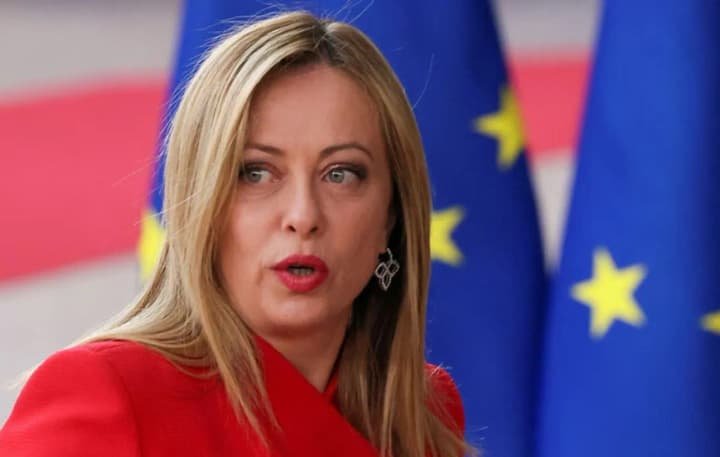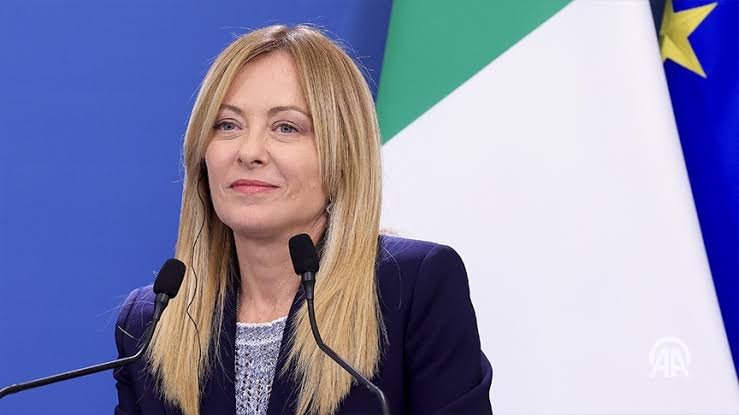
Rome, October 13, 2026 – The Europe Today: Italian Prime Minister Giorgia Meloni has called on the European Union (EU) to introduce structural and long-term measures to address persistently high energy prices, stressing the need for sustainable solutions to ease pressure on households and businesses and strengthen the bloc’s industrial competitiveness.
Addressing an assembly of the Assolombarda business association in Milan on Monday, Meloni emphasized the importance of moving beyond emergency responses to the energy crisis. She indicated that she would raise the issue of greater fiscal flexibility at the European Council meeting scheduled for Thursday, according to reports by Italian news agency ANSA.
The Italian prime minister described her approach as one based on common sense and responsibility, highlighting the need for coordinated action to reduce energy costs and support European businesses facing mounting economic pressures.
In a joint letter to European Council President Antonio Costa, Meloni, German Chancellor Friedrich Merz and Belgian Prime Minister Bart De Wever called for measures to lower energy costs and simplify regulations to improve the competitiveness of European industries.
According to the Italian prime minister’s office, the leaders proposed accelerating investment procedures in strategic sectors, particularly energy and digitalization, reducing administrative burdens and easing corporate sustainability reporting requirements, especially for small and medium-sized enterprises.
Meloni also criticized the EU’s emissions trading system, arguing that it contributes to higher operating costs, creates disparities among member states and places additional pressure on businesses.
Meanwhile, Italian Deputy Environment Minister Vannia Gava urged the EU Environment Council in Luxembourg to consider suspending the introduction of the EU Emissions Trading System 2 (ETS2). The system is designed to put a price on carbon emissions from fossil fuels used in road transport, building heating and certain smaller industrial sectors.
Under the planned framework, ETS2 is scheduled to cover road transport and buildings from 2028. However, EU Climate Commissioner Wopke Hoekstra said the European Commission had no intention of changing the implementation timetable.
Separately, EU Justice Commissioner Michael McGrath, during a visit to Rome, said the European Commission was working closely with national governments to provide flexibility in addressing rising living costs and energy-related challenges while maintaining fiscal sustainability.
Meloni’s appeal comes amid continuing concerns over the effects of high energy costs on European households, businesses and industrial production. The issue is expected to feature prominently in discussions among EU leaders as they consider ways to address immediate economic challenges while developing a more sustainable and competitive European energy framework.