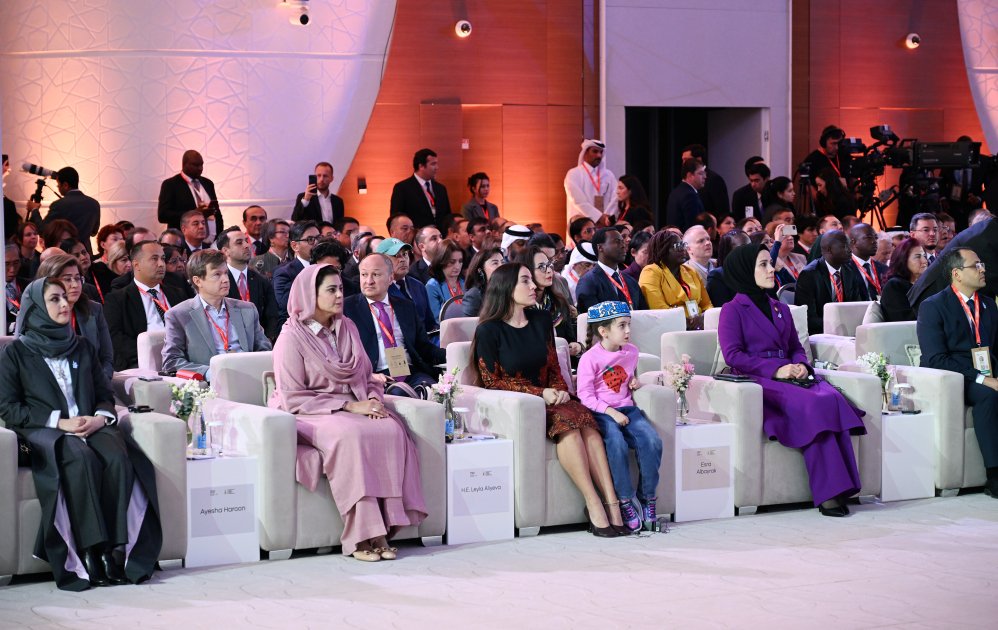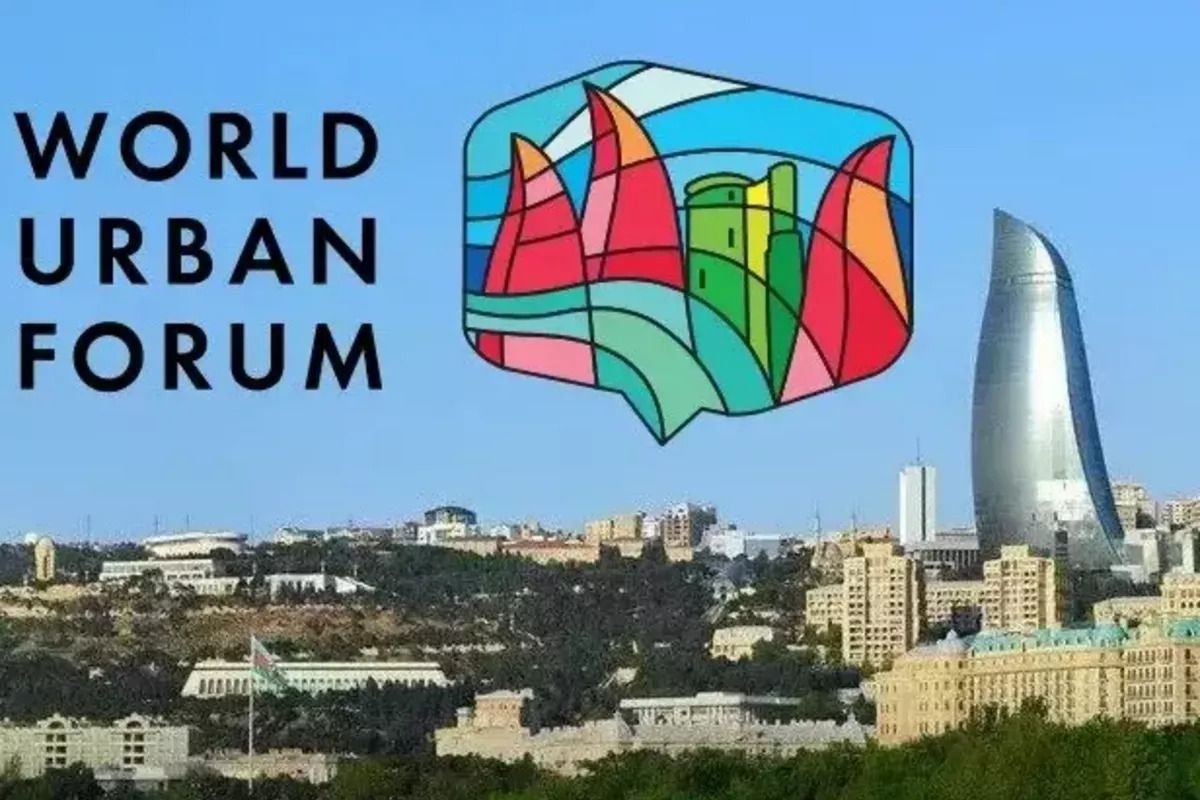
WUF13 has become a pivotal event that showcases the rapid transformation of sustainable development in cities around the world, by addressing sustainable and inclusive urban development and the use of technology. The forum, which was organized under the auspices of UN-Habitat, highlighted the changing role of cities as not only administrative and geographic centers, but as focal points for economic, environmental and governance change.
Urbanization as a Global Policy Agenda
The magnitude of the commitment to urban issues worldwide is one of the main lessons that can be gained from WUF13. More than 58,000 people from 176 countries, including heads of state, ministers and mayors, took part in the forum, proving that urbanization has firmly gained a place in the international policy agenda. This mirrors the UN-Habitat’s decade-old forecast of almost 70% of the world’s population moving to urban areas by 2050, putting a new strain of demand on governments to reimagine cities for their resilience, efficiency and sustainability.
Also, scale of participation is a sign of a shift: urban development becomes a multi-sectoral subject, in the sense that it connects climate change, infrastructure investment considerations, digital governance, and social equity, beyond the technical approach of planning.
Urban Transformation
By hosting WUF13, Azerbaijan put itself on the agenda of global urban conversations. Over the past decades, the city has visibly changed and transformed into a regional metropolis with modern infrastructure, an enlarged transport system and major redevelopment projects.
The rejuvenation of the city in Baku goes beyond mere appearances and is a sign of the structural change of the city. The city’s investments in mobility systems, public spaces and tourism infrastructure have enhanced its economic attractiveness and made it more livable. This validates the consideration of urban development as a part of the national economic strategy and international positioning.
An interesting aspect of Azerbaijan’s urbanization policy is to make use of former industrial zones, especially re-developing the “Black City” area into a new modern business and residential district. The redevelopment is representative of the current global trend of environmental revitalization and the promotion of the “green city” model – that is, the transformation of contaminated industrial areas or industrial buildings that have become obsolete into useful urban sites.
Special demographic and historical conditions have also influenced Azerbaijan’s city-building process, such as the case of mass internal migration due to historical conflicts. The influx of internally displaced persons (IDPs) into the main cities created a heavy burden on housing, and infrastructure and public services, and exacerbated urban growth as well as highlighting structural weaknesses.
This experience has shaped national policy – making urban planning increasingly integrated, with greater emphasis on the development of housing, social infrastructure, and job creation. It also emphasizes the process of urban systems which tend to change in response to pressure, thereby calling for adaptive governance instead of just planned growth.
Human-Centered and Integrated Planning Models
One of the main concepts that are beginning to grow in Azerbaijan’s urban development is a human-centered approach. Accessibility, mobility and quality of life are now the focus of modern planning, with a greater focus on investing in pedestrian facilities, public transport, and digital services.
The current policies are not only regional but also systemic, as they take into account the economic geography, cultural heritage, environmental balance and demographic trends. This is consistent with the worldwide consensus expressed at WUF13 that the city is an ecosystem, and that there is a need for multi-sectoral coordination of governance.
Karabakh and Eastern Zangezur
Azerbaijan’s long-term urban vision is also evident from the large scale reconstruction in Karabakh region and Eastern Zangezur. The projects are framed within the context of modern settlement planning incorporating smart infrastructure, sustainability principles and post-conflict reconstruction.
These projects reflect the close connections between urban development and economic modernization as well as geopolitical and territorial recovery strategies.
Conclusion
WUF13 in Baku proved more than just a policy forum; it was a world-wide message that cities have become the new frontline in the fight against climate change, inequality, technological disruption and economic restructuring.
Gathering of international experts in Baku confirmed the common denominator: ‘development in the city will be the main criterion of the future’. The forum also highlighted Azerbaijan’s commitment to being a hub for innovation in sustainable urban development and smart city solutions in the region.
In this context, WUF13 is a turning point in the history of the global urban dialogue, as well as an indicator of the speed at which urbanization has emerged as a central feature of 21st century governance.
President “The Gulf Observer Research Forum” and the Editor-In-Chief, https://thegulfobserver.com