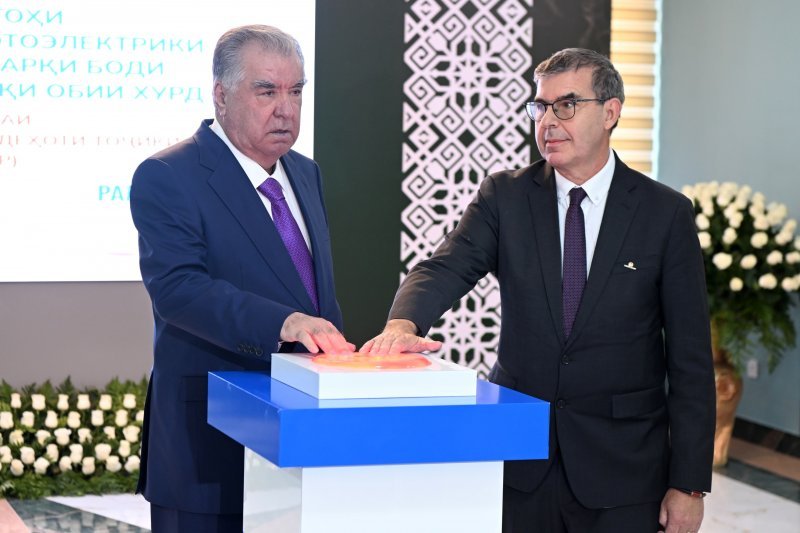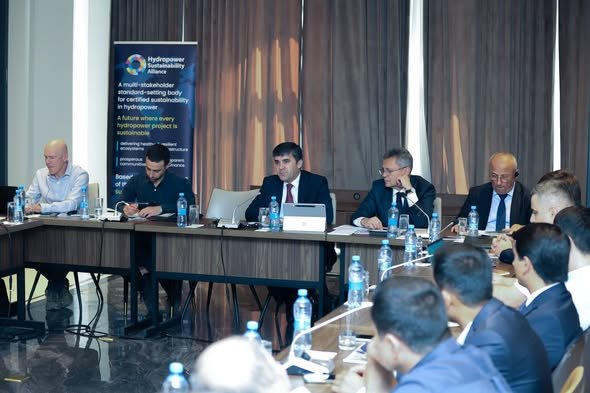
Dushanbe, June 8, 2026 – The Europe Today: The Power System Plan (PSP) for the Gorno-Badakhshan Autonomous Region for 2025–2050 was officially presented in Dushanbe, according to the Ministry of Energy and Water Resources of the Republic of Tajikistan.
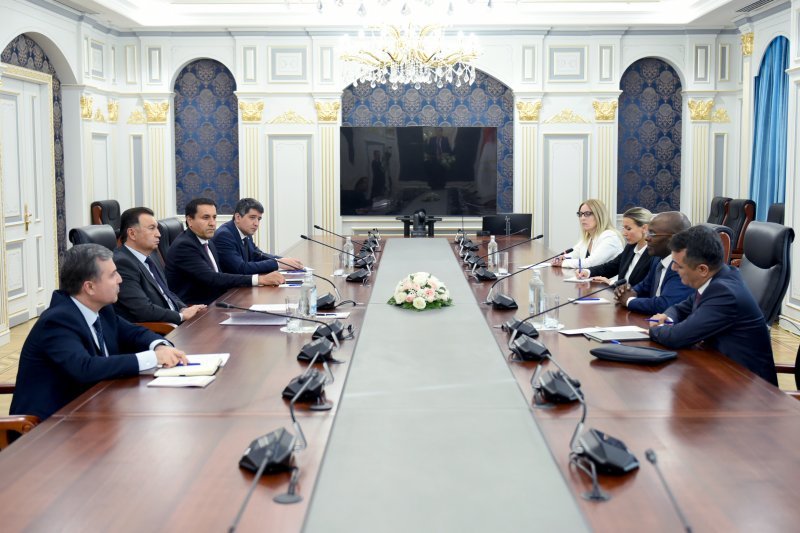
The plan was developed and introduced at the initiative of the Ministry of Energy and Water Resources in cooperation with the Hydropower Sustainability Alliance (HSA). The presentation ceremony was attended by representatives of relevant ministries and agencies, the management of Open Joint-Stock Company Pamir Energy, development partners, and energy sector experts.
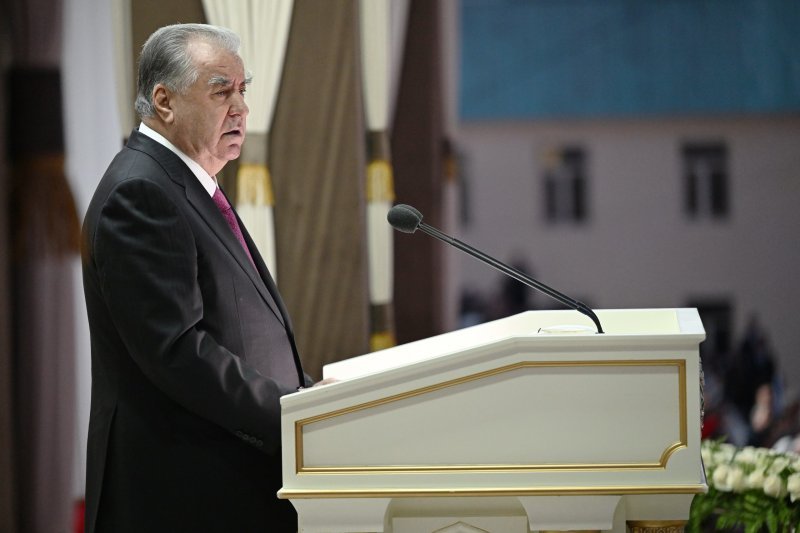
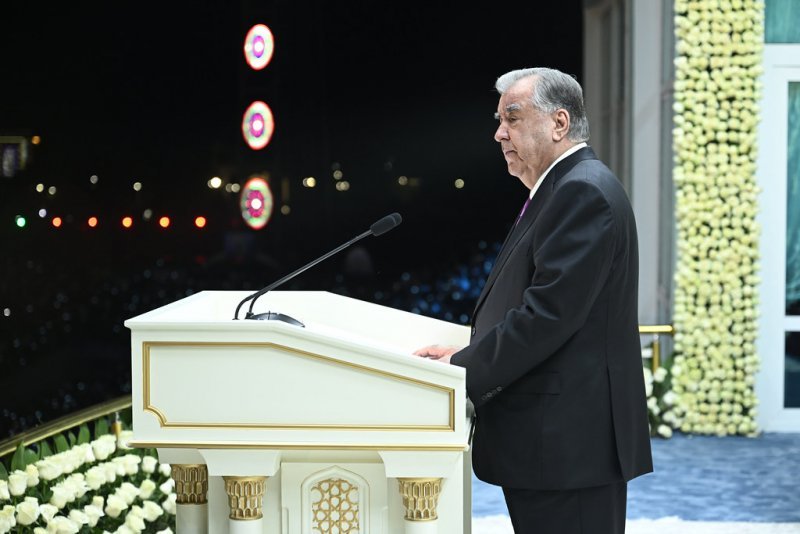
Speaking at the event, Deputy Minister of Energy and Water Resources Manuchehr Safarzoda emphasized that the plan is not merely a technical document but represents Tajikistan’s long-term vision for achieving energy independence and advancing the transition to a green economy.
According to officials, the document marks the successful completion of a comprehensive three-year capacity-building program in Tajikistan’s energy sector, implemented with financial support from the Swiss State Secretariat for Economic Affairs (SECO).
The presentation also featured the results of an advanced spatial mapping initiative, which is expected to improve the planning of future energy generation facilities while ensuring compliance with stringent international environmental and social sustainability standards.
Officials noted that the findings will contribute to more effective decision-making in the development of energy infrastructure and the sustainable use of the region’s hydropower potential.
It was further announced that the interagency HydroSelect Working Group is expected to conduct a field visit to the proposed site of the Ayni Hydropower Plant as part of ongoing assessments and project planning activities.
The Power System Plan is expected to serve as a strategic roadmap for the long-term development of the energy sector in the Gorno-Badakhshan Autonomous Region, supporting reliable electricity supply, sustainable economic growth, and the broader objectives of Tajikistan’s green development agenda.