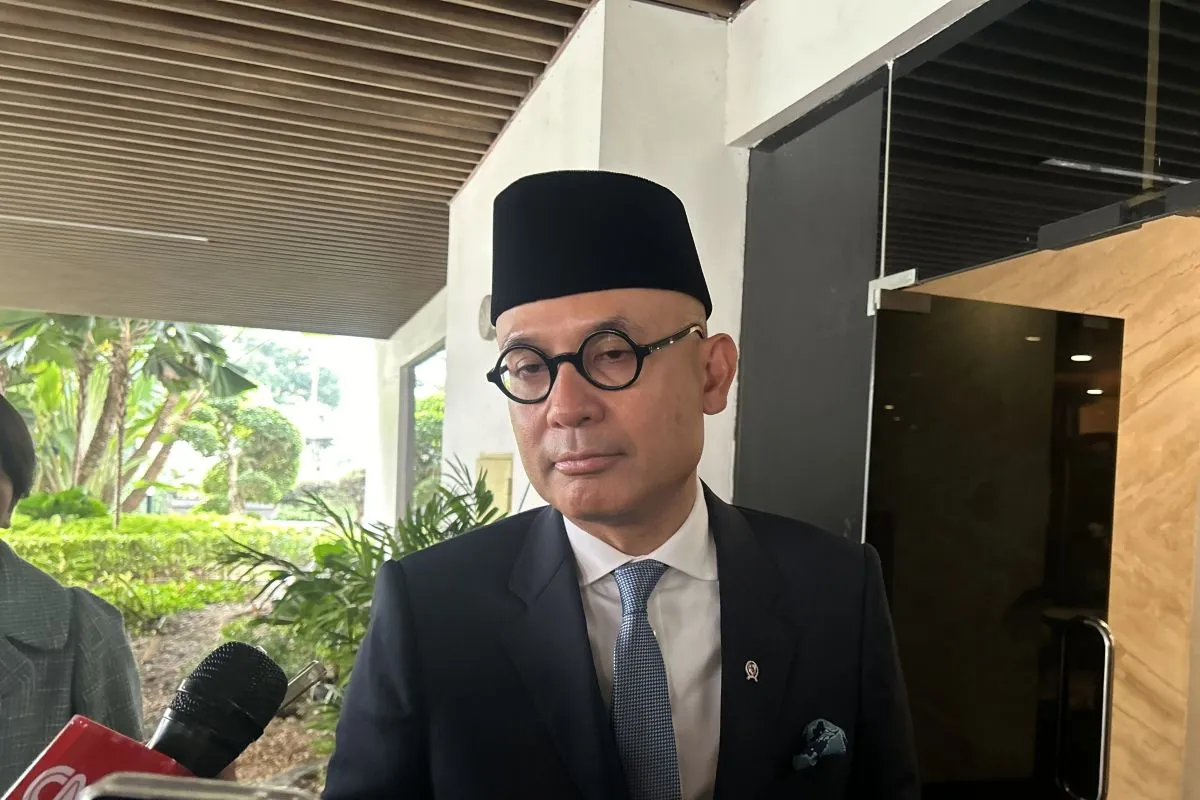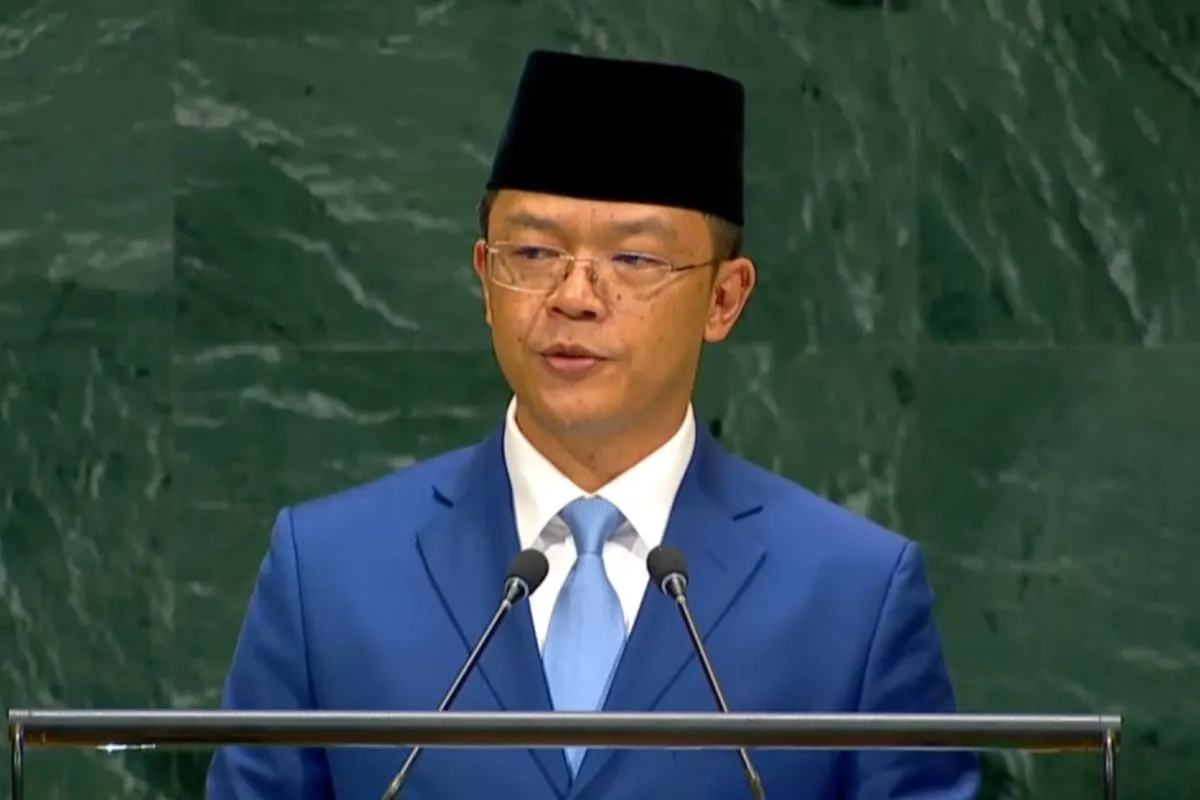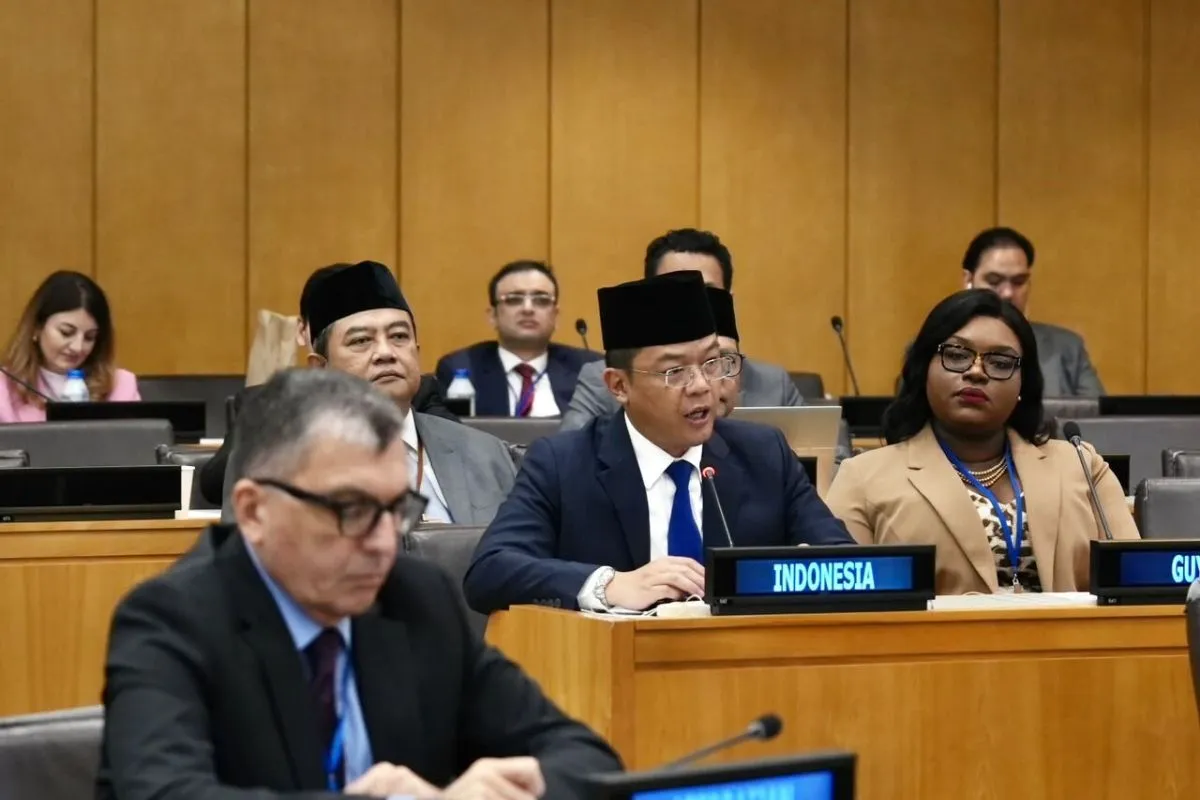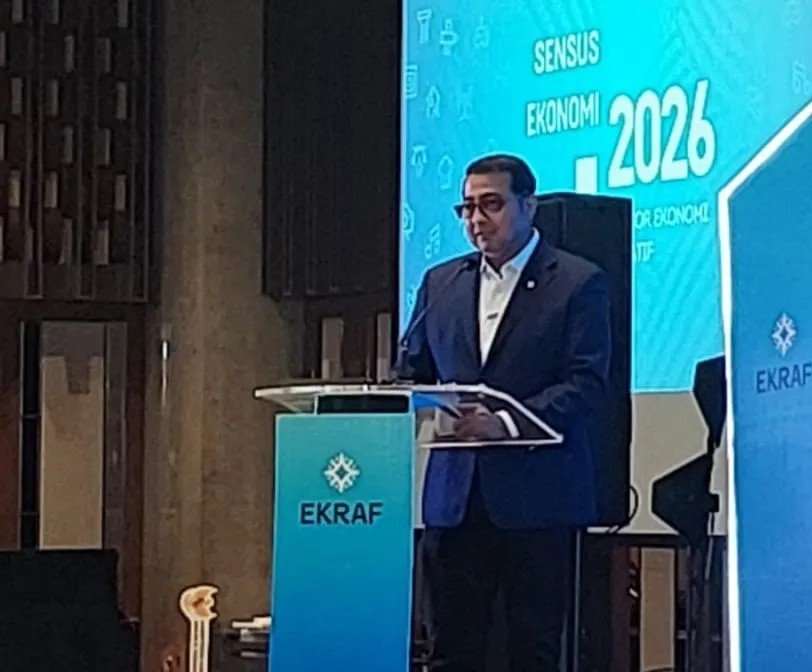
Jakarta, June 30, 2026 – The Europe Today: Indonesia’s 2026 Economic Census will strengthen the country’s creative economy data framework, helping policymakers identify growth opportunities, improve access to investment and financing, and support broader economic expansion, Creative Economy Minister Teuku Riefky Harsya said on Monday.
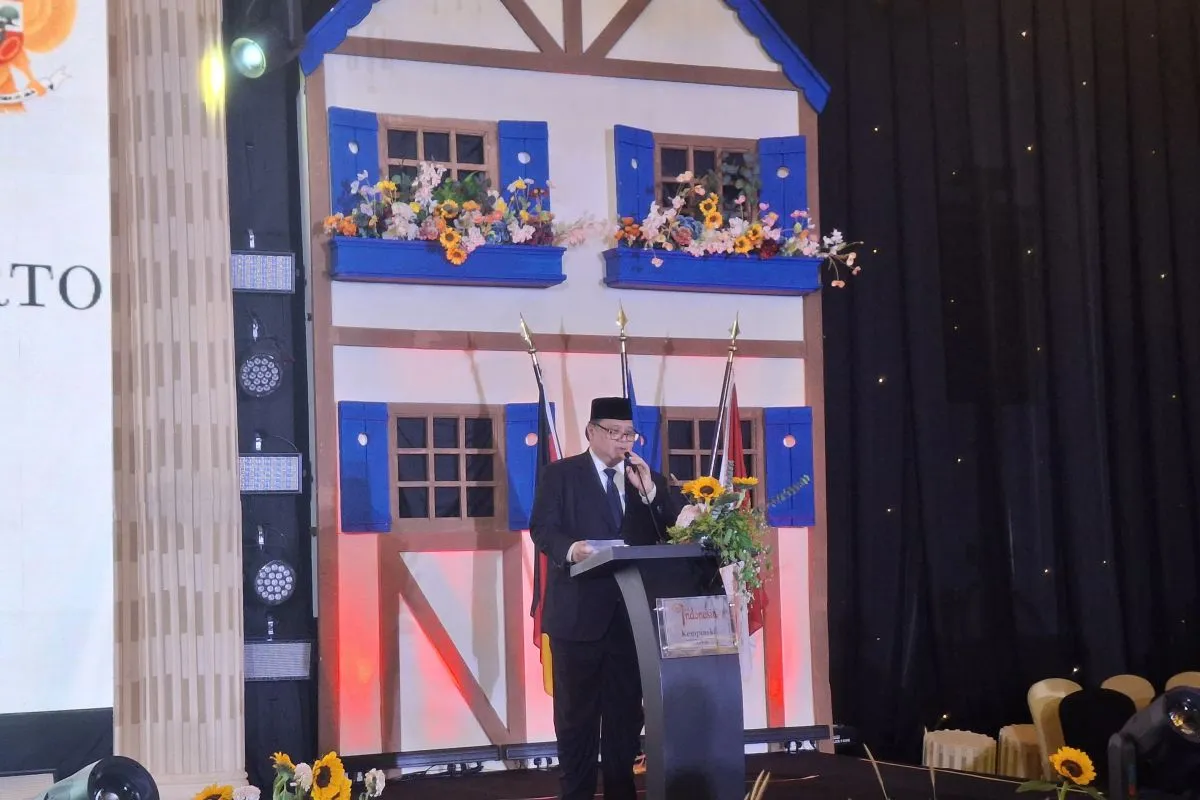
Speaking at the launch of the census in Jakarta, Harsya said the nationwide exercise will map creative industries across Indonesia’s regions and provide more comprehensive data to support policies aimed at increasing the sector’s contribution to the country’s gross domestic product (GDP).
“A successful Economic Census will provide much clearer creative economy data, enabling stronger collaboration among government, industry, associations, and academia,” the minister said.
He noted that improved data would also help expand businesses’ access to financing, including credit facilities for creative economy subsectors with strong growth potential.
According to data from Statistics Indonesia, the culinary, fashion, television and radio industries together account for 68.42 percent of the creative economy’s overall contribution.
Meanwhile, application and game development, film, animation and video, and photography are among the country’s fastest-growing creative subsectors, driven by rapid technological advancement.
Harsya said BPS has deployed approximately 251,000 enumerators to survey 92 million households through the end of August 2026, gathering data on employment, businesses and creative economy activities nationwide.
“Our goal is to identify where creative economy businesses operate across Indonesia, from Sabang to Merauke,” he said.
Although the census is not dedicated exclusively to the creative economy, Harsya explained that its findings will generate a detailed micro-database to support future research and more targeted surveys by the Ministry of Creative Economy.
The data will also enable the government and industry associations to formulate better-targeted policies aimed at strengthening Indonesia’s creative economy ecosystem.
Harsya expressed confidence that the census findings would contribute to the revitalization of 17 to 21 creative economy subsectors, supporting the government’s objective of achieving eight percent annual economic growth.