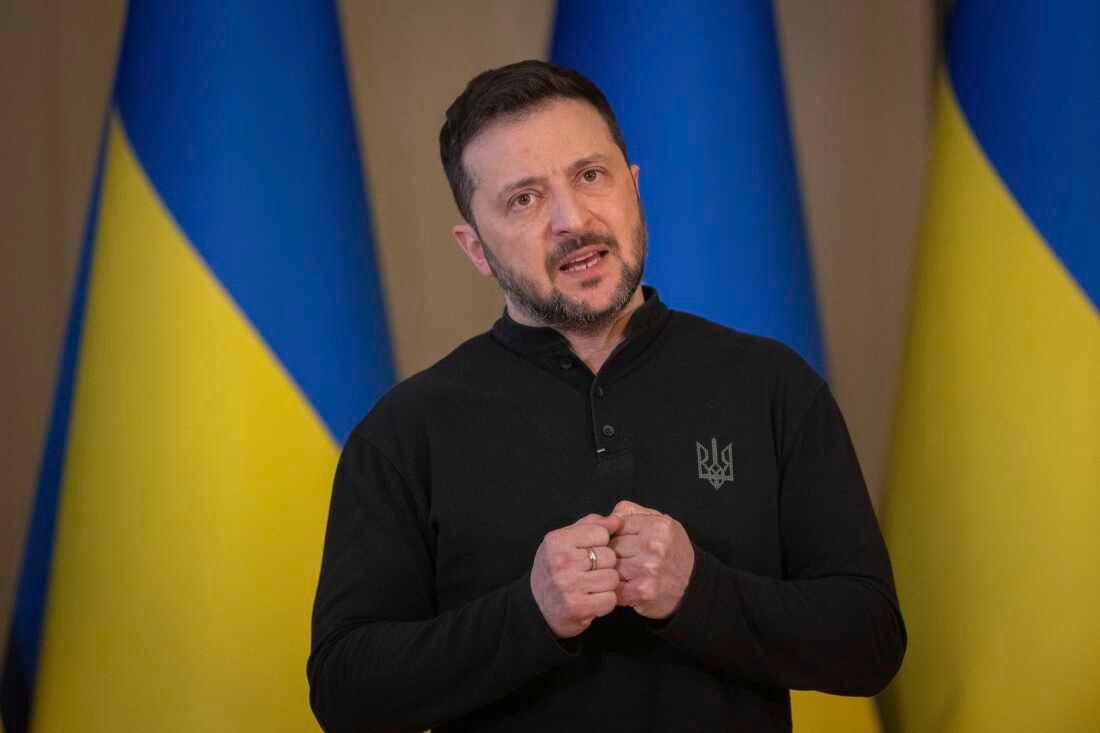
Kyiv, June 20, 2026 – The Europe Today: Ukrainian President Volodymyr Zelenskyy said on Saturday that he had returned a Polish state decoration a day after Poland’s president announced he had revoked the award, amid a diplomatic dispute linked to differing interpretations of World War Two history.
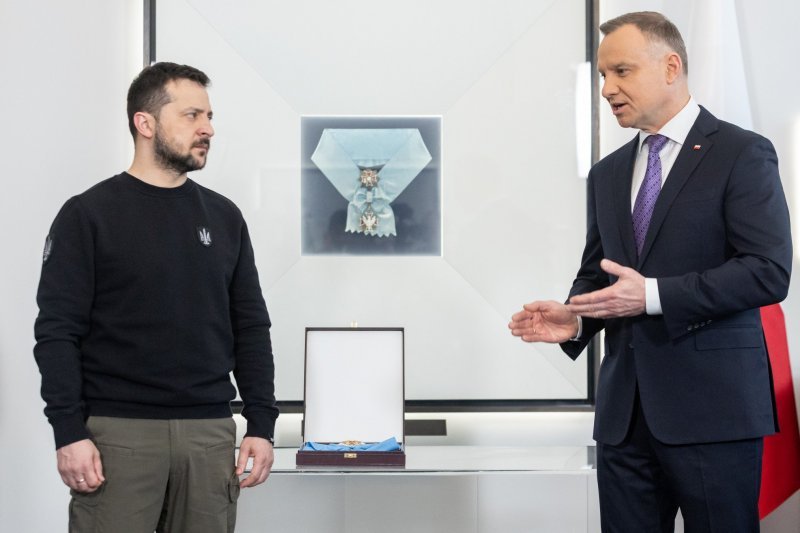
Polish President Karol Nawrocki said on Friday that he had withdrawn the Order of the White Eagle, which had been awarded to Zelenskiy in 2023. The decision followed Ukraine’s renaming of a military unit in honour of World War Two-era Ukrainian insurgents accused by Poland of involvement in massacres of Poles, according to media reports.
The dispute centers on the historical legacy of the Ukrainian Insurgent Army (UPA), an issue that has long been sensitive in Polish-Ukrainian relations and now risks straining ties between the two strategic partners as Kyiv continues to seek international support in its conflict with Russia.
In a post on X, Zelenskiy said the decoration had been intended for the Ukrainian people and armed forces rather than for him personally. “We believed that the Order of the White Eagle, awarded in 2023, was meant for the Ukrainian People and our army,” he wrote. “Today, I sent the Order back to the President of Poland.”
He also shared an image showing the decoration being packaged for return to the Polish presidential office.
Zelenskiy added that Ukraine remains grateful for Poland’s support and expressed openness to continued dialogue. He said Kyiv would “remain open to all meaningful formats of engagement with Poland in order to try to avoid conflicting interpretations of the difficult and painful chapters of our shared past.”
In a related move, Zelenskiy’s chief of staff, Kyrylo Budanov, said he was renouncing the Golden Officer’s Cross of the Order of Merit of the Republic of Poland, awarded to him last year, describing the recent developments as “a gift” for Russia.
Ukrainian Foreign Minister Andrii Sybiha earlier criticised the Polish president’s decision, calling it a “strategic error” and stating that no foreign leader should dictate Ukraine’s interpretation of its history.
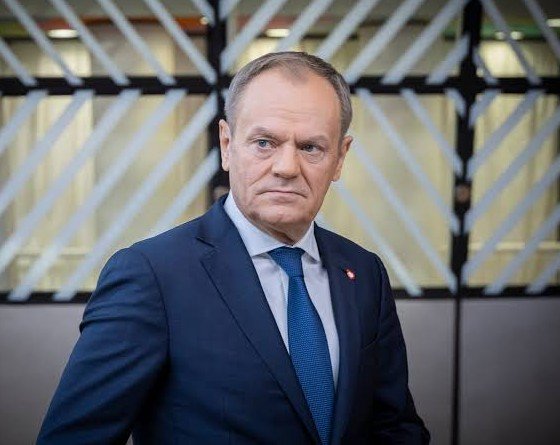
Meanwhile, Polish Prime Minister Donald Tusk urged restraint from both sides, calling for calm amid the growing diplomatic friction.
President Nawrocki defended his decision, saying the revocation was “not directed against the Ukrainian people” and did not signal any change in Poland’s strategic security policy.
Poland remains one of Ukraine’s key allies in its ongoing war with Russia. However, relations have faced periodic strains in recent years due to historical disputes, domestic political pressures, refugee-related tensions, grain import disagreements, and the contested legacy of wartime massacres.
The Volhynia massacres, carried out between 1943 and 1945, remain a deeply sensitive historical issue. Poland estimates that around 100,000 Poles were killed by Ukrainian nationalists, while thousands of Ukrainians also died in retaliatory violence during the same period.
Despite the tensions, both sides have repeatedly affirmed the importance of maintaining strategic cooperation in the face of ongoing regional security challenges.