Ottawa, September 25, 2026 — The Europe Today: Việt Nam and Canada have elevated their bilateral relations to a Strategic Partnership, establishing a new framework for expanded cooperation across political, economic, technological, energy, security, agricultural, educational and cultural fields.
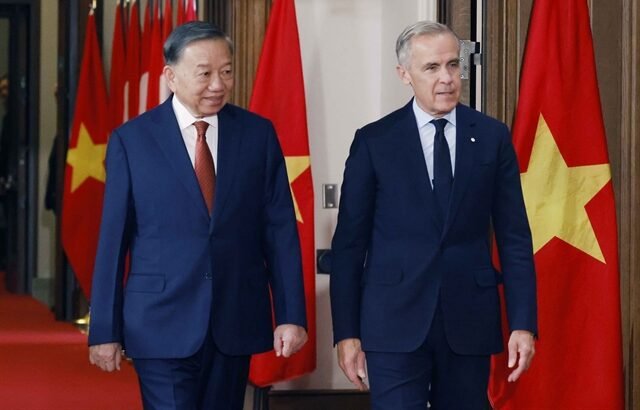
The agreement was reached during a state visit to Canada by General Secretary of the Communist Party of Việt Nam Central Committee and President Tô Lâm from September 24 to 25, 2026, at the invitation of Canada’s Governor General.
The visit marked the first official visit to Canada by a General Secretary of the Communist Party of Việt Nam since the two countries established diplomatic relations in 1973.
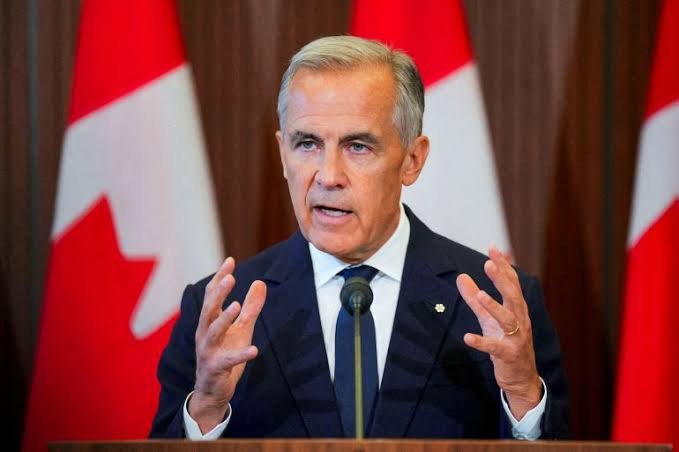
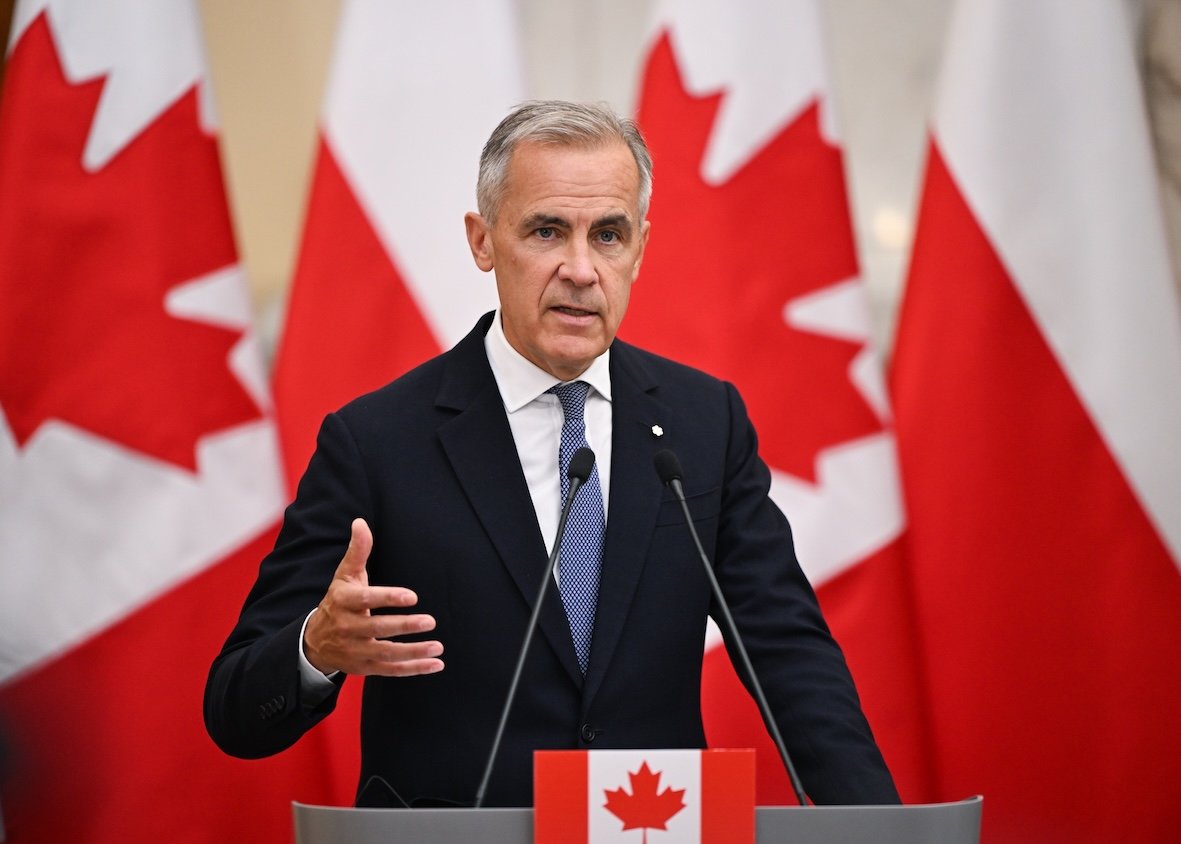
During the visit, Tô Lâm met Canadian Prime Minister Mark Carney in Ottawa. The two leaders expressed their commitment to opening a new phase of deeper, substantive and sustainable bilateral cooperation, with emphasis on stronger economic ties, mutually beneficial growth and sustainable development.
In their joint statement, the two countries said their relationship would be based on mutual respect for political systems, independence, sovereignty and territorial integrity, as well as open dialogue, balanced interests, international law and the principles of the United Nations Charter.
The Strategic Partnership is built around eight key pillars: bilateral, regional and multilateral cooperation; trade, investment, financial and economic cooperation; transportation, supply chain management and infrastructure; digital transformation, artificial intelligence, advanced technologies and innovation; energy security, environment and sustainable growth; food security and agri-food cooperation; defence, security, maritime affairs, law enforcement and justice; and education, culture and people-to-people ties.
Under the political and multilateral cooperation framework, both sides agreed to strengthen high-level exchanges and existing bilateral mechanisms, including bilateral consultations, the Joint Economic Committee, Defence Policy Dialogue and Maritime Dialogue.
They also welcomed plans for regular foreign ministerial dialogues and the establishment of a Việt Nam–Canada Agriculture Dialogue, while discussing the creation of a bilateral Security and Law Enforcement Dialogue. Tô Lâm invited Prime Minister Carney to visit Việt Nam.
The two sides also pledged to strengthen parliamentary cooperation and coordination through the United Nations, APEC, ASEAN-led mechanisms, La Francophonie and the Comprehensive and Progressive Agreement for Trans-Pacific Partnership (CPTPP).
Canada welcomed Việt Nam’s leadership of the CPTPP Commission in 2026 and expressed readiness to support Việt Nam in preparations for hosting APEC in 2027 and its ASEAN Chairmanship in 2030.
On trade and investment, the leaders described economic relations as a cornerstone of the bilateral partnership. Việt Nam is Canada’s largest trading partner in ASEAN, with the CPTPP serving as an important framework for expanding bilateral commerce and investment.
Both countries reaffirmed support for the conclusion and implementation of the ASEAN–Canada Free Trade Agreement and agreed to strengthen the Việt Nam–Canada Joint Economic Committee.
The leaders also pledged support for an open, fair, transparent and rules-based multilateral trading system and welcomed efforts to increase two-way investment and remove barriers to market access.
In transportation and infrastructure, Việt Nam and Canada agreed to enhance maritime and aerospace connectivity, strengthen supply-chain resilience and facilitate growing trade volumes.
The two sides welcomed the signing of a memorandum of understanding on maritime transport cooperation and progress in aviation consultations that will expand air-service capacity and facilitate direct air services between the two countries.
They also agreed to advance green shipping initiatives and explore cooperation on low-carbon fuels and zero-emission technologies.
Digital transformation, artificial intelligence and advanced technologies constitute another major area of the new partnership. Both sides agreed to explore cooperation in science, technology and innovation, secure digital ecosystems, cybersecurity, data governance and digital infrastructure.
They welcomed cooperation through the ASEAN–Canada AI Connect Program and encouraged partnerships among universities, research institutions and industry in areas including artificial intelligence, quantum technologies, semiconductors and STEM disciplines.
On energy and the environment, the two countries welcomed the signing of a memorandum of understanding on energy cooperation and the clean energy transition. Cooperation will cover conventional and clean energy, including liquefied natural gas, hydrogen, renewable energy, carbon management and other technologies supporting the energy transition.
The leaders also welcomed dialogue on potential civil nuclear cooperation and agreed to explore collaboration in solar and wind energy, including onshore and offshore wind resources.
Both sides reaffirmed their commitment to addressing climate change, protecting biodiversity and strengthening environmental cooperation, including through a memorandum of understanding covering climate adaptation, methane, plastic pollution and nature conservation.
On food security and agriculture, the leaders highlighted growing bilateral trade in agri-food and seafood products, which reached nearly CAN$1.7 billion in 2025. They agreed to strengthen cooperation in sustainable agriculture, food security and agricultural technology.
The establishment of the Việt Nam–Canada Agriculture Dialogue was welcomed, along with the renewal of cooperation on sanitary and phytosanitary measures, food safety, animal and plant health and agricultural trade.
Defence and security cooperation will also be expanded. The two sides agreed to strengthen defence dialogue and explore cooperation in humanitarian assistance and disaster response, maritime law enforcement, cybersecurity, maritime domain awareness, defence industry, science and technology and other non-traditional security areas.
Canada welcomed continued opportunities for Vietnamese military personnel under its Military Training and Cooperation Program, while Việt Nam announced plans to establish a permanent Defence Attaché Office in Canada.
The countries also agreed to explore stronger cooperation against transnational organized crime, cybercrime, illicit financial flows, drug trafficking and other cross-border threats. Discussions will also cover online child sexual exploitation, cyber-enabled fraud, money laundering and terrorist financing.
On maritime issues, both leaders reaffirmed support for the peaceful settlement of disputes in accordance with international law, freedom of navigation and overflight, and unimpeded lawful commerce in the South China Sea. They also reaffirmed respect for the sovereign rights and jurisdiction of coastal states in their exclusive economic zones and continental shelves under the 1982 United Nations Convention on the Law of the Sea.
Education, culture and people-to-people ties constitute the eighth pillar of the Strategic Partnership. Both sides agreed to deepen cooperation in higher education, skills development, research and academic exchanges, particularly in artificial intelligence, semiconductors, life sciences and advanced manufacturing.
The leaders welcomed expanded scholarship and academic exchange programs and encouraged universities in both countries to establish new partnerships.
They also agreed to promote tourism, cultural exchanges, business links and community connections, supported by the Vietnamese Canadian diaspora.
The two sides welcomed the successful conclusion of negotiations to expand the Việt Nam–Canada Air Transport Agreement, enabling direct passenger and all-cargo flights between the two countries.
They also agreed to explore a bilateral Social Security Agreement and strengthen cooperation in employment and human resource development.
The joint statement said the new Strategic Partnership provides a framework for Việt Nam and Canada to address shared challenges, capitalize on emerging opportunities and contribute to peace, stability, prosperity and sustainable development in the Indo-Pacific region.
The foreign ministers of both countries will coordinate with relevant agencies to develop an Action Plan for implementing the objectives of the Strategic Partnership.