Jakarta, May 6, 2026 – The Europe Today: The Indonesian government is preparing a suite of flexible policy scenarios to safeguard national energy stability and contain fiscal risks as global oil prices continue to fluctuate widely.
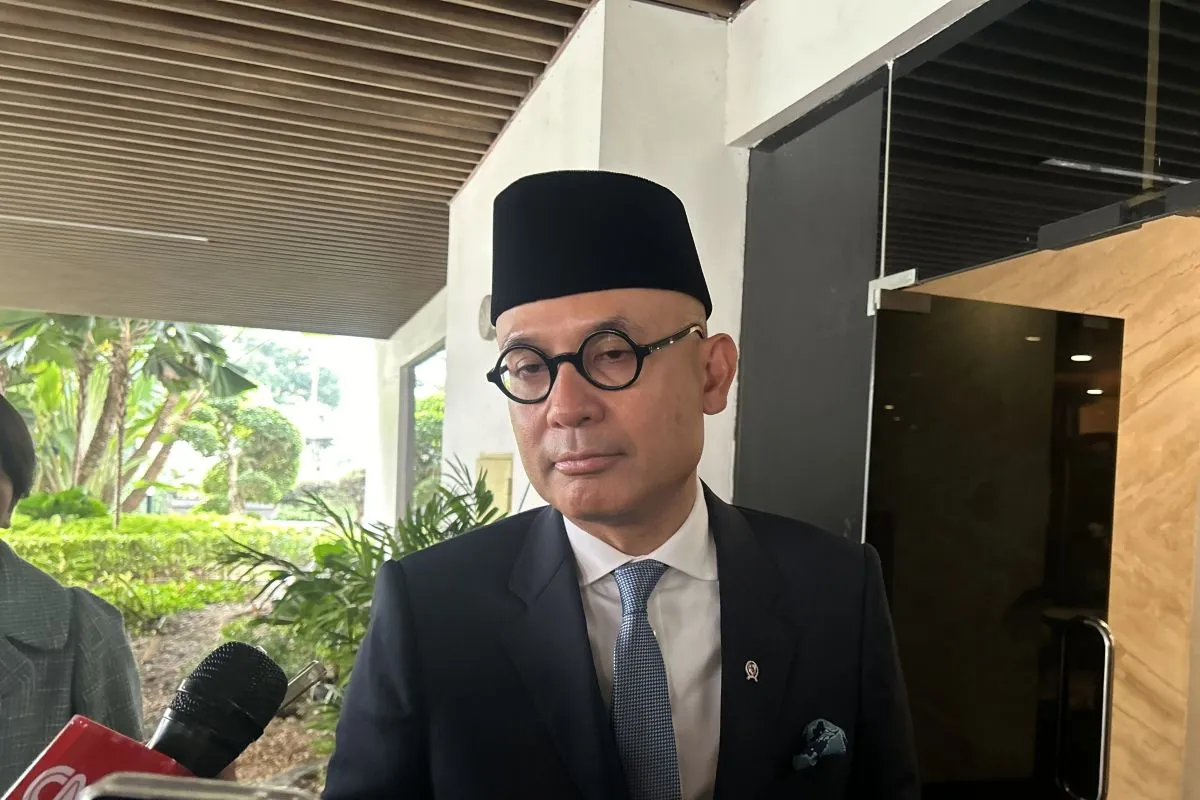
Speaking at a press briefing in Jakarta on Tuesday, Coordinating Minister for Economic Affairs Airlangga Hartarto emphasized that authorities are prioritizing responsiveness to market shifts to protect domestic consumers and maintain economic health.
Monitoring Volatile Global Benchmarks
Minister Airlangga noted that international crude markets remain highly volatile, with prices currently swinging between US$90 and US$120 per barrel. While prices have recently eased back toward the US$100 mark, the Minister attributed the ongoing uncertainty to geopolitical tensions that complicate supply expectations and price forecasting.
“What matters is that we have scenarios in place, and they are dynamic,” Airlangga stated, underscoring a preference for preparedness over rigid planning.
Fiscal Strategy and Subsidy Management
To mitigate the impact of these fluctuations, the government is utilizing a “measured” approach to fiscal management:
- Average Pricing Mechanisms: Realized procurement costs are tracked based on average pricing rather than daily peaks, helping to limit the burden of energy subsidies.
- 2026 State Budget: Energy subsidies and compensation have been officially allocated in the 2026 budget to preserve public purchasing power.
- Trade Policy Adjustments: The government is considering reducing import duties on Liquefied Petroleum Gas (LPG) from 5% to zero to ensure adequate domestic availability.
Accelerating Energy Independence
A key pillar of the government’s strategy involves reducing reliance on imported fuels through the expansion of domestic alternatives.
| Initiative | Planned Impact |
| B50 Biodiesel Rollout | Scheduled for July; expected to significantly cut diesel imports. |
| Renewable Deployment | Accelerated programs aimed at strengthening long-term security. |
| Economic Savings | Combined efforts could reduce diesel imports by approximately Rp48 trillion. |
By expanding alternative energy sources and maintaining a “dynamic” policy framework, Indonesia aims to balance price stability, supply security, and fiscal health against the backdrop of an unpredictable global market.