Jakarta, May 12, 2026 – The Europe Today: Indonesia is planning to construct an oil storage facility within a special economic zone (SEZ) in Sumatra to strengthen its national energy reserves, Energy Minister Bahlil Lahadalia has announced.
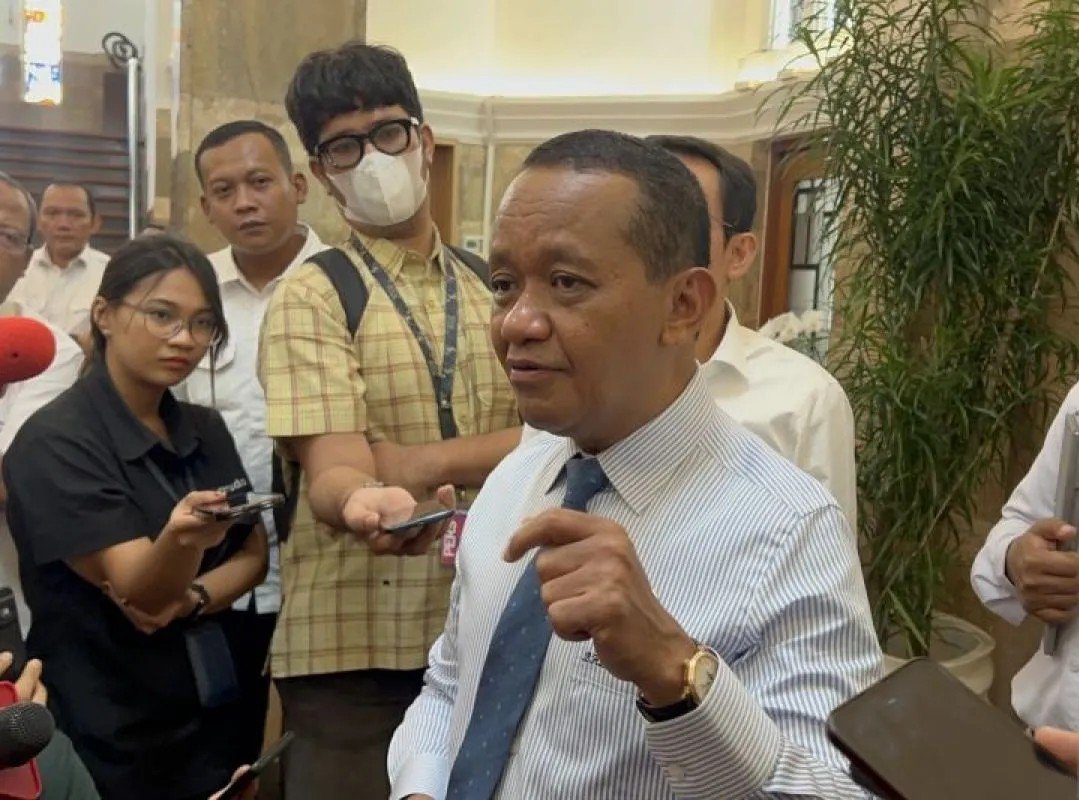
Speaking to reporters at the ministry in Jakarta on Monday, Lahadalia said the government is currently conducting a feasibility study for the project, which is expected to enhance Indonesia’s energy security and storage capacity.
“We are planning to build it in Sumatra. We will establish a Special Economic Zone,” he said, adding that the initiative is aimed at reinforcing national oil reserves.
The minister noted that Indonesia has also expressed readiness to host a proposed ASEAN oil storage hub; however, he clarified that the country will proceed with its own Sumatra-based project regardless of regional developments.
“Even without the ASEAN hub, Indonesia is already building oil storage. The idea emerged as we were ready to implement it,” he said.
Discussions among ASEAN member states — including Malaysia, Brunei, and the Philippines — are ongoing regarding the proposed regional hub, with no final agreement yet on its location. The initiative is intended to strengthen collective energy resilience across Southeast Asia.
Lahadalia highlighted that the regional proposal would allow ASEAN countries to build larger strategic reserves to ensure supply stability. “In Southeast Asia, we recently proposed creating a hub for ASEAN oil reserves. This is a good idea,” he added.
Meanwhile, ASEAN economic ministers have agreed to accelerate the implementation of the ASEAN Petroleum Security Agreement (APSA) in response to disruptions in global oil supply routes.
According to Kao Kim Hourn, the ratification of APSA is expected to be completed ahead of the 49th ASEAN Summit later this year. The agreement aims to enhance regional energy cooperation and enable member states to support one another during fuel shortages.
Under APSA, participating countries would be able to supply fuel to a member facing shortages equivalent to at least 10 percent of its domestic demand, strengthening collective resilience in the region’s energy sector.