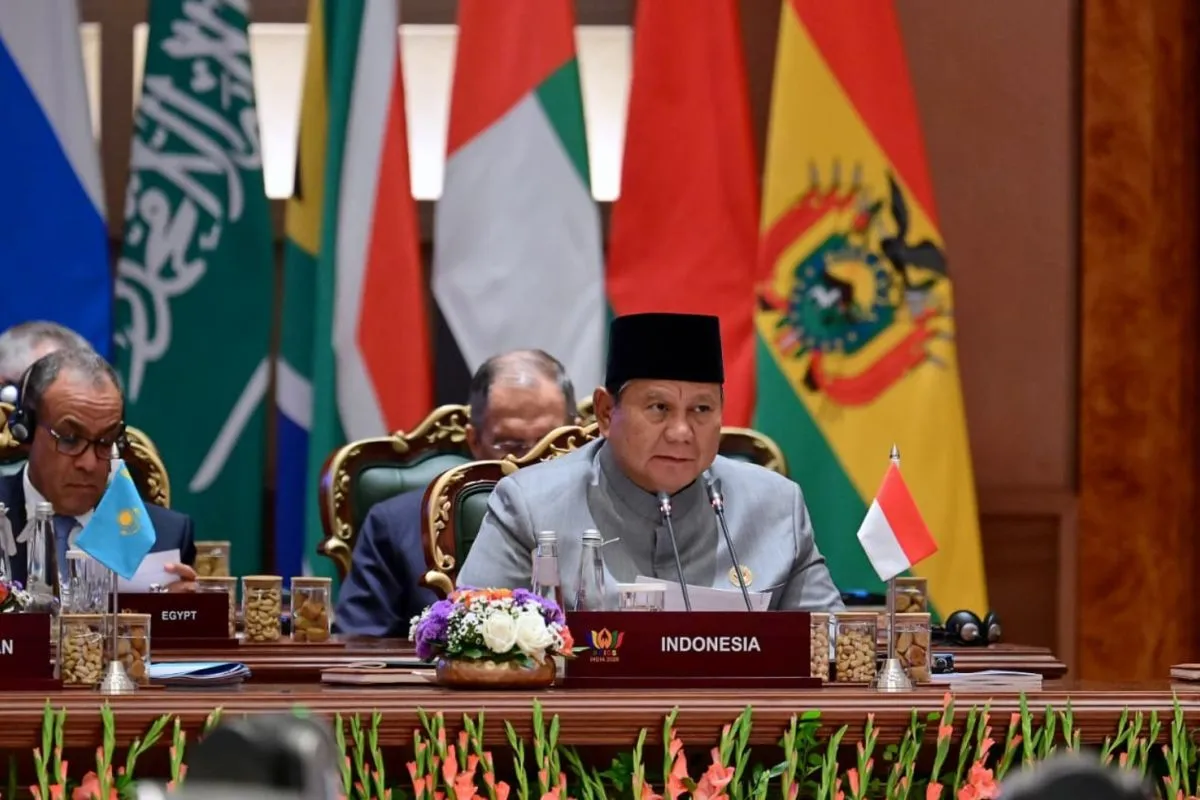
Jakarta, September 14, 2026 – The Europe Today: Indonesian President Prabowo Subianto has called for stronger cooperation among BRICS members in industrialization, resource optimization and global supply chains to address shared challenges and promote sustainable economic growth across developing countries.
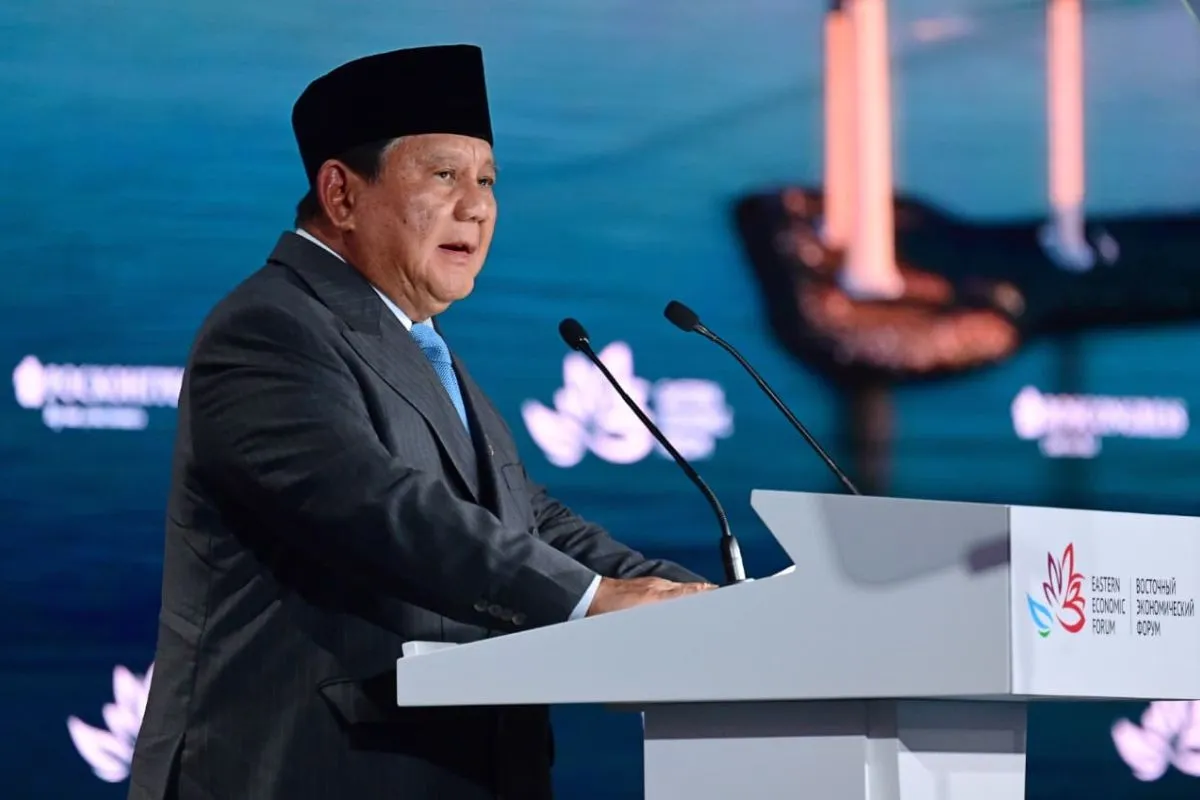
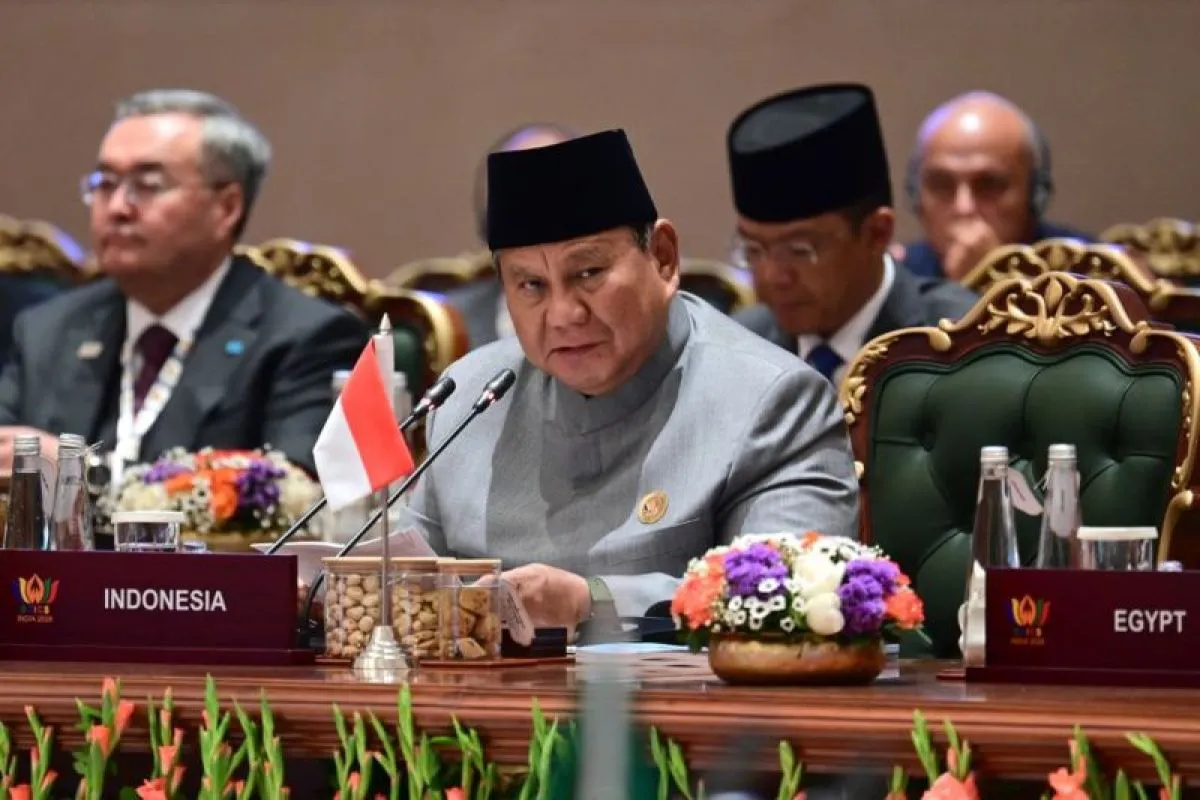
Addressing the 18th BRICS Summit in New Delhi on Sunday, Prabowo proposed that member states jointly pursue industrialization by making greater use of their respective resources, production capacities and technological capabilities.
“Allow me to propose something concrete. Let us jointly pursue industrialization and optimize our resources and capacities,” Prabowo said.
The Indonesian president stressed that global challenges, including climate change and natural disasters, require collective action by BRICS countries and the wider Global South.
Highlighting Indonesia’s vulnerabilities as an archipelagic country located along the Pacific Ring of Fire, Prabowo pointed to rising sea levels, extreme weather events and volcanic activity as major challenges facing the country.
At the same time, he noted that Indonesia possesses substantial natural resources with significant development potential, including critical minerals, rare earth elements, renewable energy resources and forests that contribute to global ecosystems.
“We must acknowledge the link between climate resilience and national development,” he said.
Prabowo emphasized that Indonesia is not alone in confronting such challenges, noting that BRICS members and other countries across the Global South face interconnected environmental, economic and developmental issues.
He therefore urged BRICS countries to combine their resources, production capacities, technological expertise and markets to address common challenges and generate greater economic value.
According to Prabowo, the economic strength and resource base of BRICS members can be leveraged to increase investment, strengthen industrial sectors, create employment opportunities and improve economic prospects for their populations.
He also said the bloc possesses the resources and economic capabilities necessary to enhance its role in global value chains.
“BRICS essentially already has a supply chain in place. Our task is to connect and optimize to utilize our strengths for greater value,” he said.
The 18th BRICS Summit focused on four key pillars — resilience, innovation, cooperation and sustainability — as member states discussed responses to a range of global challenges, including growing geopolitical tensions.
Indian Prime Minister Narendra Modi, addressing the summit, highlighted the COVID-19 pandemic, climate-related disasters and disruptions to global supply chains as examples of crises that transcend national borders and demonstrate the interconnected nature of the global economy.
Chinese President Xi Jinping, meanwhile, called on BRICS countries to contribute to safeguarding the stability of global industrial and supply chains amid disruptions to shipping through the Strait of Hormuz linked to the US-Iran conflict.
The discussions underscored the growing emphasis within BRICS on strengthening economic cooperation, supply-chain resilience and sustainable development among emerging economies.