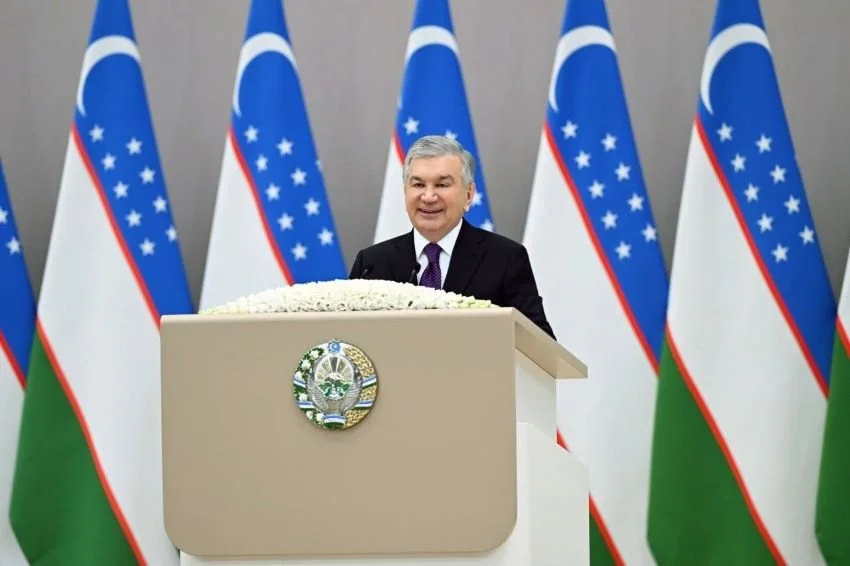
An important event reflecting the visionary leadership and inclusive governance was the approval of extensive programs for reform and the State Program for implementing the “Uzbekistan-2030” Strategy in the “Year of Mahalla and Social Prosperity” at the Presidential level. This initiative demonstrates an advanced and goal-oriented development strategy for the nation, one with a focus on concrete changes in the lives of citizens.
Focused on Results
The drafts are based on lessons learned from advanced foreign experience, and represent a marked departure from bureaucratic drafting of documents to concrete results. There are clear systems, Key Performance Indicators (KPIs), principles of direct action, and personal accountability for designated leaders in reform programs. This means that initiatives do not stay on paper but have clear measurable progress at the end of 2026.
Key priority areas include:
- Improving the infrastructure of mahalla (neighborhood) in accordance with the image of New Uzbekistan.
- Switching the economy towards technological and innovation based model and augmenting the domestic demand.
- Establishment of a modern labor market through professional development.
- Ecological balance and water resources rational utilization.
- Enhancing the public administration, the judiciary and legal framework and social cohesion.
Historic Public Participation
The public engagement of an unprecedented nature is one of the best aspects of this process. The State Program was discussed widely, and includes an outline of 337 practical measures for 2026, including 59 sectoral law drafts and 12 key strategic reform documents.
The draft was seen by more than 5 million users online, and resulted in more than 22,000 comments and recommendations. The discussion in universities and state institutions involved approximately 10,000 participants was bolstered by constructive proposals, with almost 1,000 of these being included in the final. The participation of the Uzbek compatriots from the USA, Germany, Türkiye, France, Canada, Korea, Japan, Sweden, Portugal and Kazakhstan was very valuable.
Some key learnings from the incorporation are increased penalties for violence against women and children, sentencing for pedophilia to life imprisonment, increasing renewable energy use to 30%, strengthening anti-corruption measures, introducing jurors in criminal cases, improving transparency of mahallas, establishing business incubators, energy efficiency measures, and support for businesses under “Export-as-a-Service.”
Financing and Accountability
Implementation will be supported by significant resources: domestic resources of 250.5 trillion soums and attracted investments of $50.4 billion. There are also some impressive oversight mechanisms; the Ministry of Justice will oversee progress, the Cabinet will review it quarterly, the Oliy Majlis will be informed twice a year and the President monthly. The Prime Minister is in charge of the overall execution, making sure that the accountability is at the highest level.
Way Forward
This is an all-encompassing framework that is highly appreciable for a number of reasons. First, it puts people first: starting with the improvements in mahallas, and continuing to the wider economic transformation across the nation. Second, it is good that they are giving due attention to public consultation and input from the diaspora, which signals real democratic maturity and national unity. Third, the trend towards KPIs and accountable execution indicates a new form of governance that is more professional and modern in style—one that is more about execution than declaration.
The approval of these programs by the President of Uzbekistan has created a clear development trajectory that will lead to employment generation, increased incomes, environmental protection, improvement of the institutional system, and increased social prosperity. “Year of Mahalla and Social Prosperity” is not only a statement, but a real programme of action that will bring positive changes for millions of people in everyday life and enhance the position of Uzbekistan in the world.
Uzbekistan is walking into 2026 with a sense of confidence, clarity and shared responsibility about its future. These reforms are a worthy step towards creating an innovative, inclusive, green and prosperous Uzbekistan.
President “The Gulf Observer Research Forum” and the Editor-In-Chief, https://thegulfobserver.com