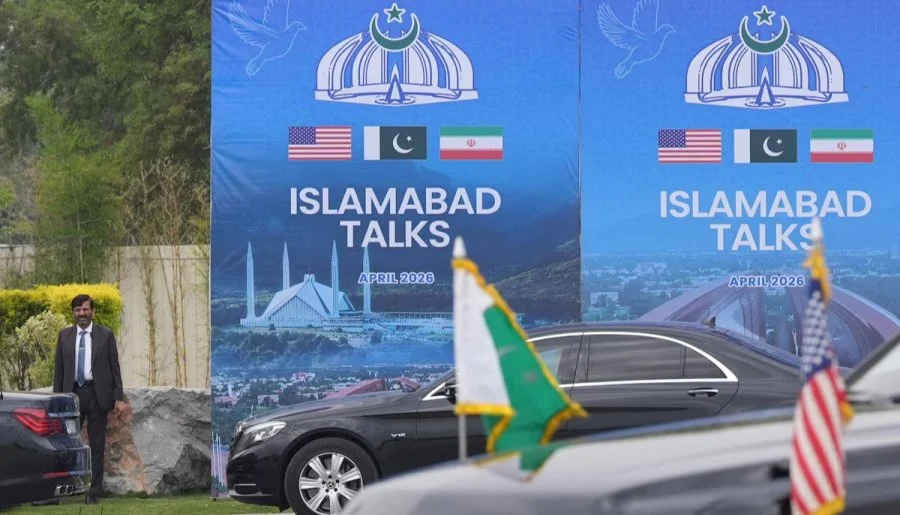
Islamabad, April 21, 2026 – The Europe Today: Pakistan has finalized preparations to host a crucial second round of negotiations between the United States and Iran in Islamabad, as a fragile Pakistan-brokered ceasefire between the two sides approaches its expiration.
The high-level talks—informally dubbed “Islamabad Round 2”—are expected to take place on Wednesday, just hours before the two-week truce lapses. While uncertainty persists over Tehran’s formal participation, a US delegation led by Vice President JD Vance is set to travel to the Pakistani capital along with senior officials.
Confusion surrounding the timing of the delegation’s arrival emerged after President Donald Trump suggested that Vance was already en route, while White House officials indicated the vice president would depart Washington on Tuesday. Despite the ambiguity, officials confirmed that the US delegation would arrive ahead of the anticipated talks.
Iran has so far refrained from officially confirming its participation, with its Foreign Ministry maintaining a cautious stance. However, developments on the ground in Islamabad point to ongoing preparations, including the arrival of US military aircraft at Nur Khan Airbase and the deployment of advance teams.
Tehran has accused Washington of failing to adhere to ceasefire commitments and has called for the lifting of a naval blockade in the Strait of Hormuz before entering negotiations. Iranian President Masoud Pezeshkian reiterated his country’s position, emphasizing that meaningful dialogue depends on honoring commitments and warning against coercive tactics.
Diplomatic sources suggest that the uncertainty surrounding the talks reflects pre-negotiation positioning by both sides, even as backchannel communications between Washington and Tehran remain active.
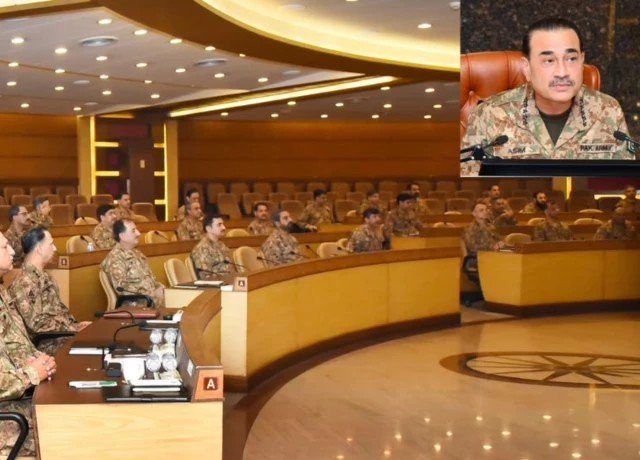
According to reports, Pakistan’s Chief of Army Staff Asim Munir has also been engaged in high-level contacts with President Trump, stressing that the ongoing blockade is hindering diplomatic progress. However, the US administration has signaled that the blockade will remain in place until a formal agreement is reached.
President Trump, in a series of public statements, defended the policy, claiming it has significantly impacted Iran’s economy while praising US military performance. He also criticized major American media outlets, asserting that their coverage misrepresents the situation.
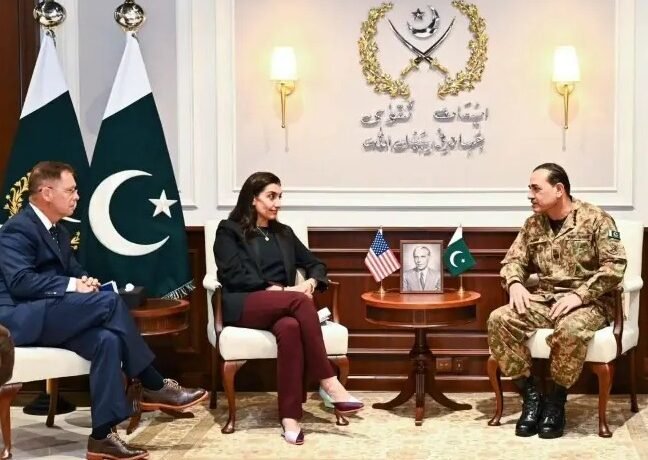
Meanwhile, Pakistani authorities have intensified security and logistical arrangements, underscoring Islamabad’s readiness to host the negotiations. Interior Minister Mohsin Naqvi held separate meetings with US and Iranian envoys to finalize security protocols.
Officials confirmed that preparations have entered the final phase, with at least 11 aircraft carrying personnel, vehicles, and operational equipment arriving between Sunday and late Monday. The main delegations are expected by Tuesday, with Iranian representatives potentially arriving later in the day.
Security across Islamabad and Rawalpindi has been significantly tightened, with more than 18,000 personnel deployed from federal police and other agencies to ensure the smooth conduct of the talks.
The urgency of the negotiations is heightened by the impending expiration of the ceasefire brokered by Pakistan on April 7. The truce is set to lapse Tuesday evening (Washington time), corresponding to Wednesday morning in Iran.
While President Trump has issued mixed signals on a possible extension, warning that hostilities could resume in the absence of a deal, officials in Islamabad remain cautiously optimistic that the second round of talks could pave the way for continued diplomatic engagement.