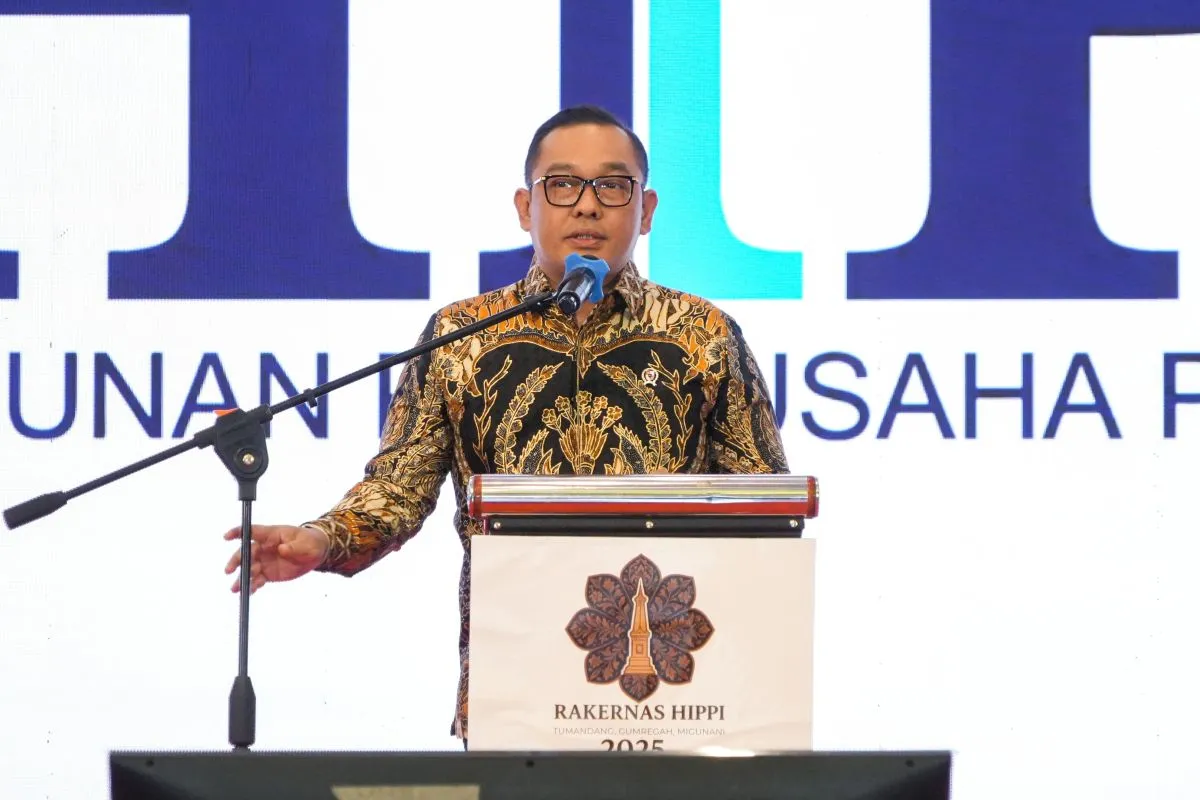
Jakarta, November 11, 2025 – The Europe Today: Deputy Minister of Investment and Downstreaming Todotua Pasaribu announced that approximately three million new Business Identification Numbers (NIBs) were issued within the first year of President Prabowo Subianto’s administration, underscoring Indonesia’s sustained economic expansion and improving business environment.
According to Pasaribu, the total number of NIBs issued through the Online Single Submission (OSS) system rose from 10.6 million to 14 million, marking a significant increase that highlights the growing dynamism of the national economy.
“This is a very significant figure. It shows that Indonesia’s business climate and economy remain strong and continue to grow,” Pasaribu said in an official statement on Monday.
He noted that the rise in registered businesses reflects public confidence in Indonesia’s transparent and integrated licensing system, which simplifies procedures for entrepreneurs and investors alike.
Pasaribu emphasized that the government remains committed to enhancing the investment ecosystem by ensuring the process is faster, more efficient, and measurable. One key step, he said, is the implementation of Government Regulation No. 28 of 2025, which introduces a Service Level Agreement (SLA) for business licensing.
The regulation also reinforces the “fictive positive” principle, a policy under which a license or standard certificate is automatically approved if authorities fail to issue a decision within the stipulated timeframe.
“This policy provides greater certainty and convenience for entrepreneurs,” Pasaribu explained. “For example, a hotel business license must be completed within 14 days. If no decision is issued within that period, the license is considered granted, allowing operations to begin immediately.”
Currently, around 132 types of permits are covered under this mechanism, which is expected to significantly reduce administrative bottlenecks.
Pasaribu affirmed that these reforms demonstrate the ministry’s commitment to fostering a conducive and equitable investment climate, while promoting balanced and inclusive national economic growth through greater ease of doing business.