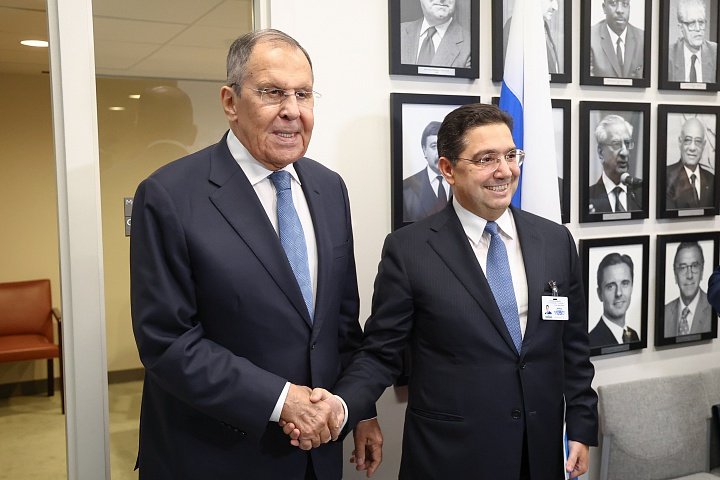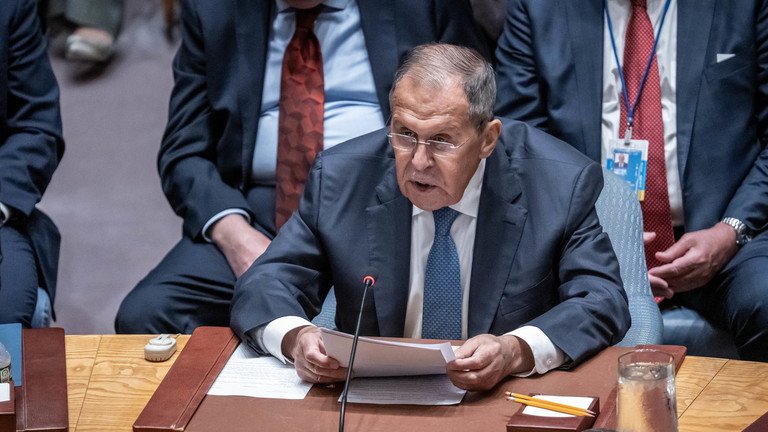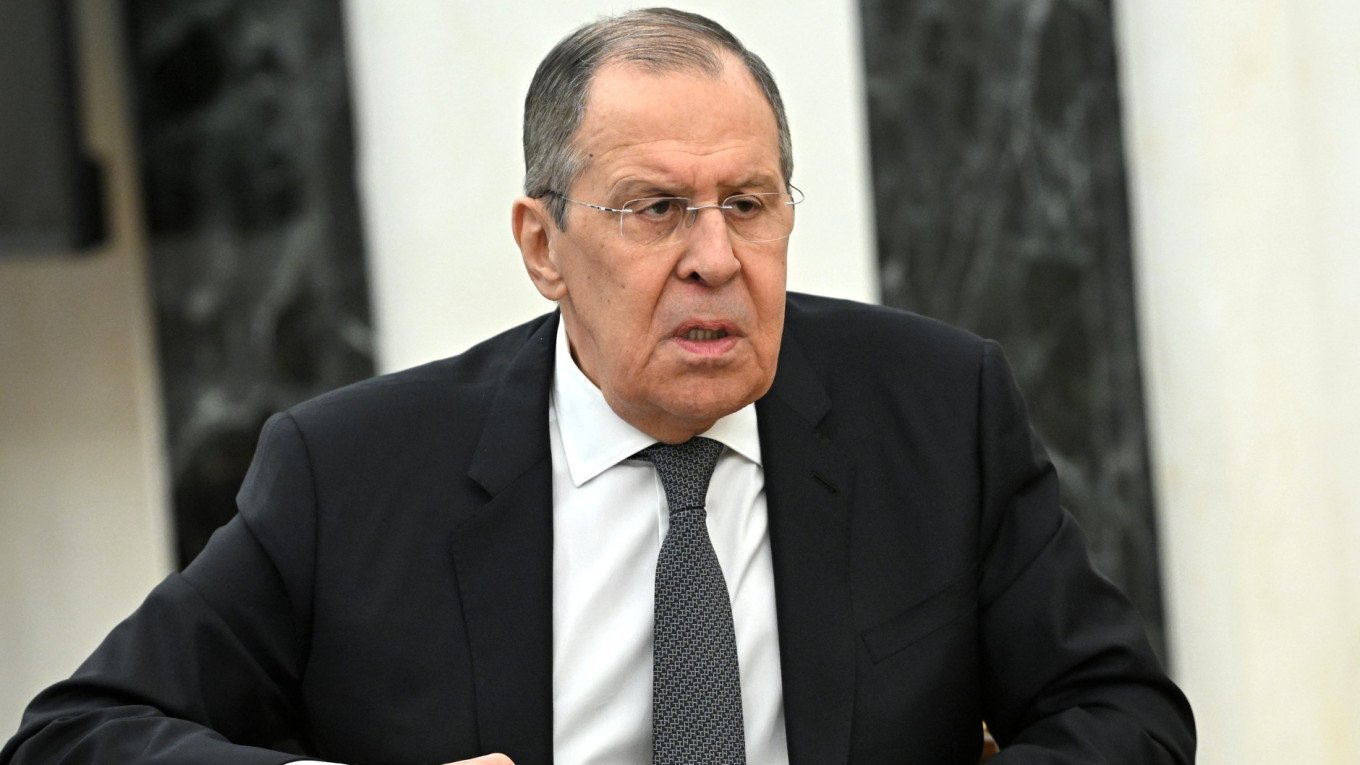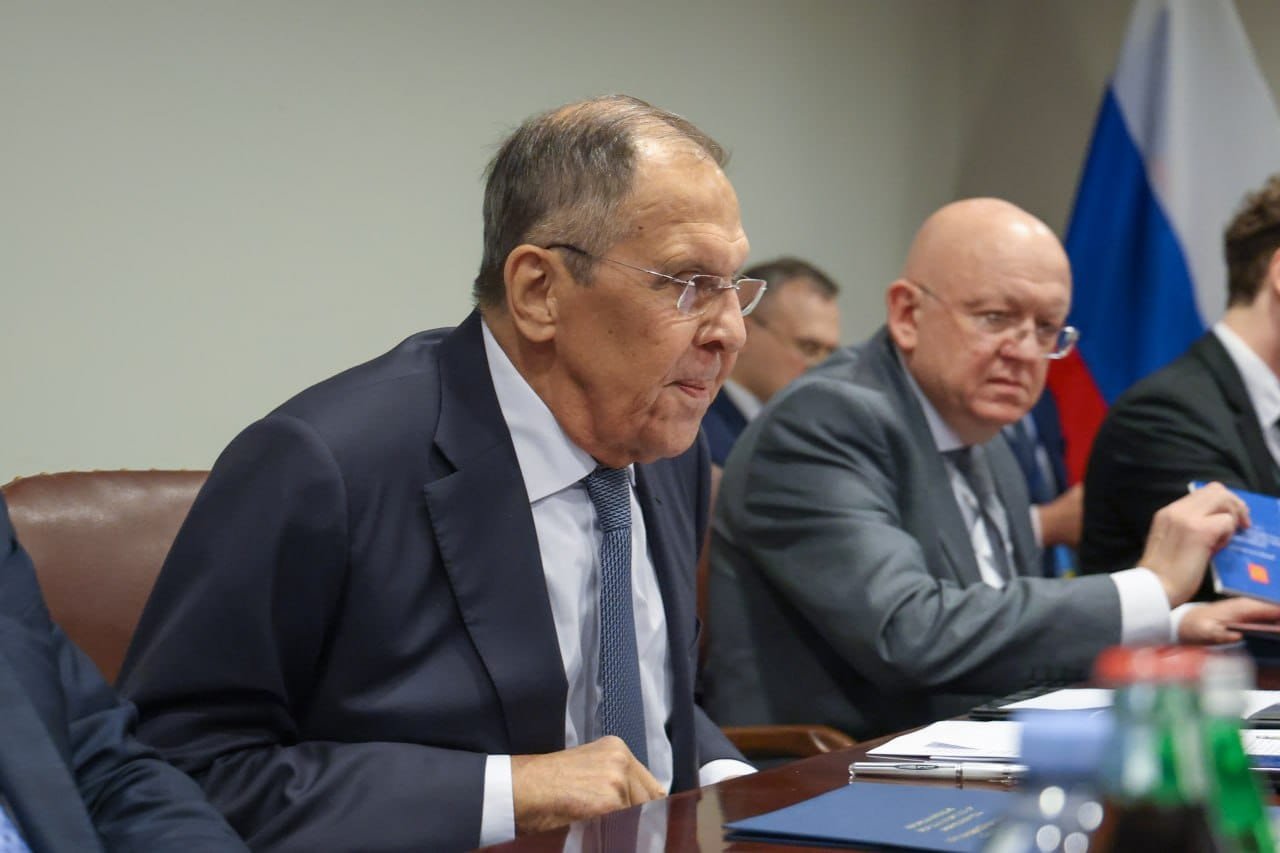
New York, September 27, 2026 — The Europe Today: Russian Foreign Minister Sergey Lavrov has called for a multipolar international order based on sovereignty, international law and equal cooperation among states, while criticizing what he described as attempts by Western countries to preserve their global privileges.
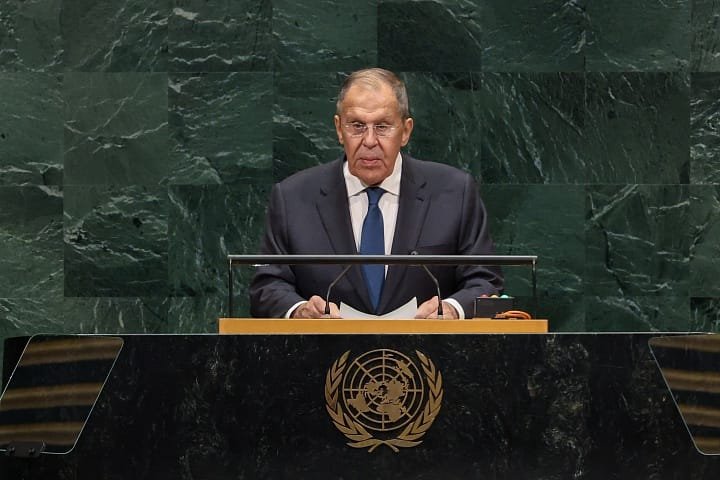
Addressing the General Debate of the 81st session of the United Nations General Assembly in New York, Lavrov said countries of the Global South and East were increasingly emerging as sovereign centers of development and assuming greater responsibility for security in their respective regions.
According to Lavrov, these countries are demonstrating a commitment to international law, rejecting external pressure and seeking economic prosperity for all states rather than a select group.
He said the approach formed an important foundation of Russia’s foreign policy and was shared by its partners within organizations and groupings including the Commonwealth of Independent States (CIS), Shanghai Cooperation Organisation (SCO) and BRICS.
Lavrov criticized what he referred to as the “Western minority,” accusing it of seeking to preserve longstanding privileges and impose its own rules on other countries. He said the West was increasingly relying on force and pursuing policies that, in Russia’s assessment, threatened international stability.
The Russian foreign minister also accused Western countries of violating international law in several cases. Referring to Venezuela, he criticized the US intervention there and alleged that the detention of President Nicolas Maduro and his wife violated international legal principles concerning the immunity and inviolability of senior state officials.
Lavrov also condemned the killing of Iran’s Supreme Leader Ayatollah Ali Khamenei, members of his family, and senior Iranian military and political figures, describing such actions as an unacceptable use of force and coercion.
Turning to the legacy of the Nuremberg Tribunal, Lavrov recalled the 80th anniversary of the tribunal’s conclusion and said its judgment had established a clear condemnation of Nazi crimes and the ideology of Nazism.
He alleged that some political leaders in European Union countries had failed to draw the necessary lessons from history and accused them of promoting what he described as extremist and Russophobic views. He further criticized the honoring of individuals associated with Nazi Germany and its wartime allies in Ukraine.
On the Ukraine conflict, Lavrov reiterated Moscow’s position that Russia launched its “special military operation” in 2022 to protect people in Donbass and Novorossiya from what Russia describes as actions by the Kyiv authorities.
He said Russia would continue what he characterized as its struggle for “truth and justice” and stated that Moscow’s objectives would be achieved, threats to Russia’s security would be eliminated and peaceful life would be restored.
Lavrov’s address outlined Russia’s broader foreign-policy position centered on multipolarity, sovereignty, opposition to unilateral pressure and what Moscow considers adherence to the principles of the UN Charter.